
From Manhattan-facing condos and mixed-use properties in Long Island City to warehouses, industrial buildings, and suburban-style homes throughout eastern Queens, Block Appraisals provides professional real estate appraisals throughout Queens.
Licensed since 2007 • USPAP-compliant reports • 20+ years of NYC market experience • All five boroughs
Whether you need a real estate appraisal for a mortgage, refinance, estate matter, divorce, litigation, tax appeal, pre-listing decision, or another purpose, we provide valuations tailored to the property and its specific Queens market.
Queens encompasses an unusually broad range of real estate, from dense urban developments and co-op buildings to detached homes, multi-family properties, beachfront communities, warehouses, industrial buildings, and mixed-use commercial properties.
Our expert appraisers consider the characteristics that distinguish each property and its surrounding market rather than treating Queens as one uniform real estate market.
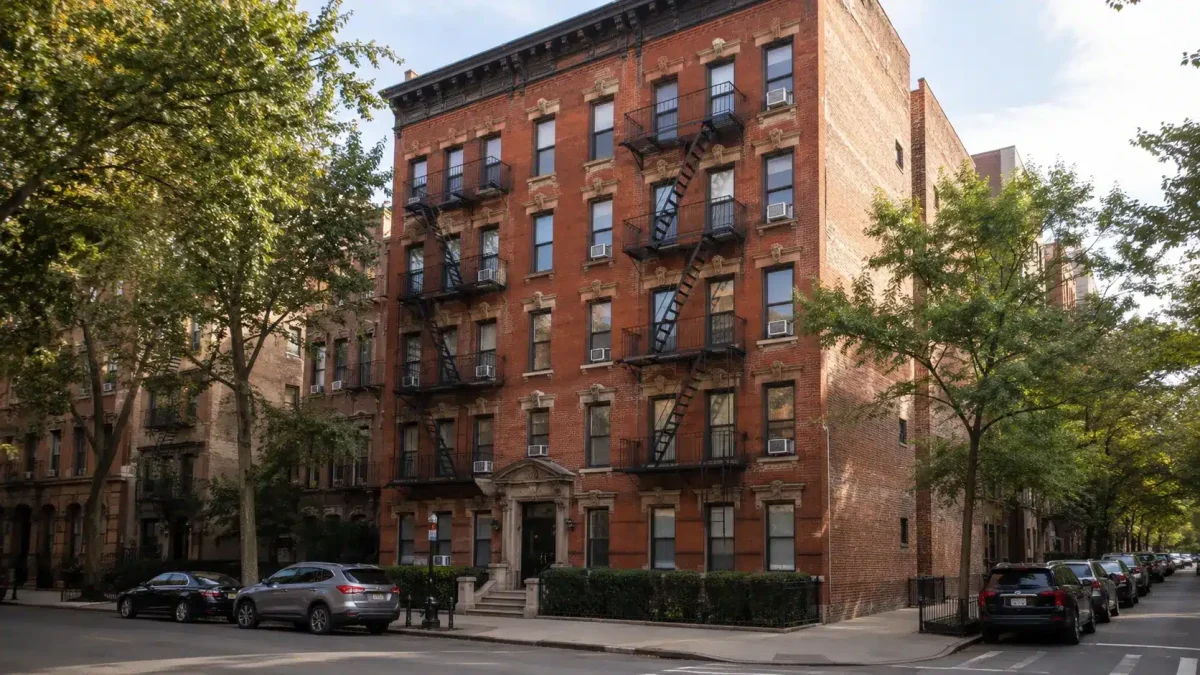
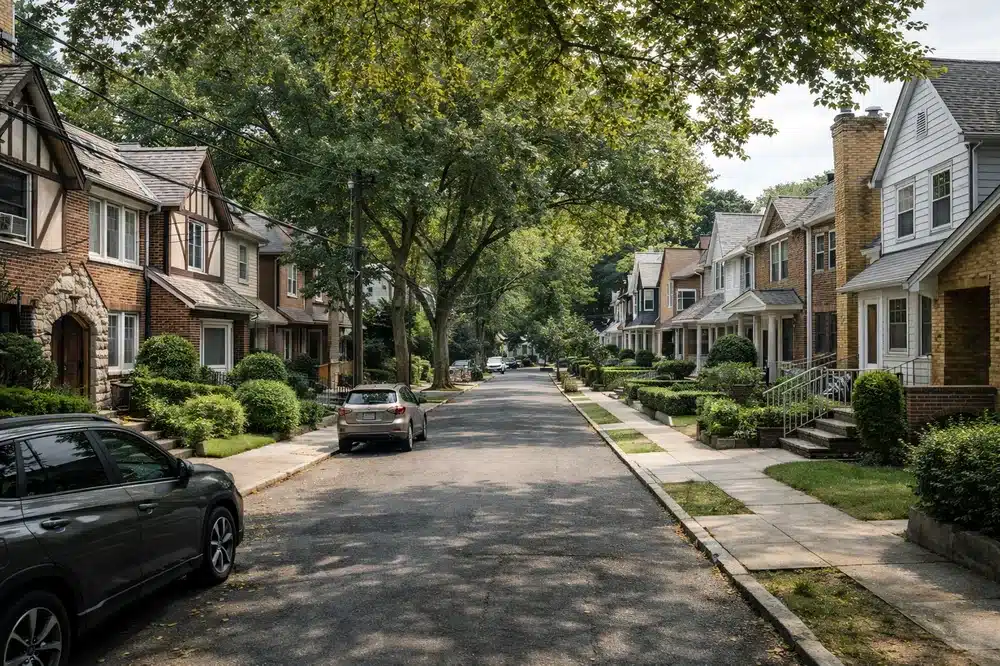


A Borough Defined by Diverse Housing, Commercial Properties, and Transportation Networks
Queens is New York City’s largest borough by area and contains an extraordinary range of residential, commercial, and industrial properties. Luxury towers in Long Island City, garden apartments in Forest Hills, multi-family homes in Astoria and Elmhurst, and spacious single-family properties in eastern Queens all operate within different market segments. The borough is also home to warehouses, industrial buildings, mixed-use properties, and commercial facilities that serve Queens’ diverse business community.
Transportation is an especially important consideration throughout Queens. Subway access, particularly proximity to lines providing express service to Manhattan, can create distinct micro-markets within the same broader neighborhood. For residential properties, school districts, parks, commercial centers, waterfront access, and proximity to major transportation hubs can influence buyer demand and property values. For industrial and commercial properties, access to major highways, bridges, airports, transit routes, and distribution corridors can be equally important when evaluating marketability and highest and best use.
Queens also combines rapidly developing areas with long-established residential, commercial, and industrial communities. Long Island City and parts of Astoria have experienced substantial new construction, while neighborhoods such as Bayside, Flushing, and other eastern Queens communities have their own established market dynamics.
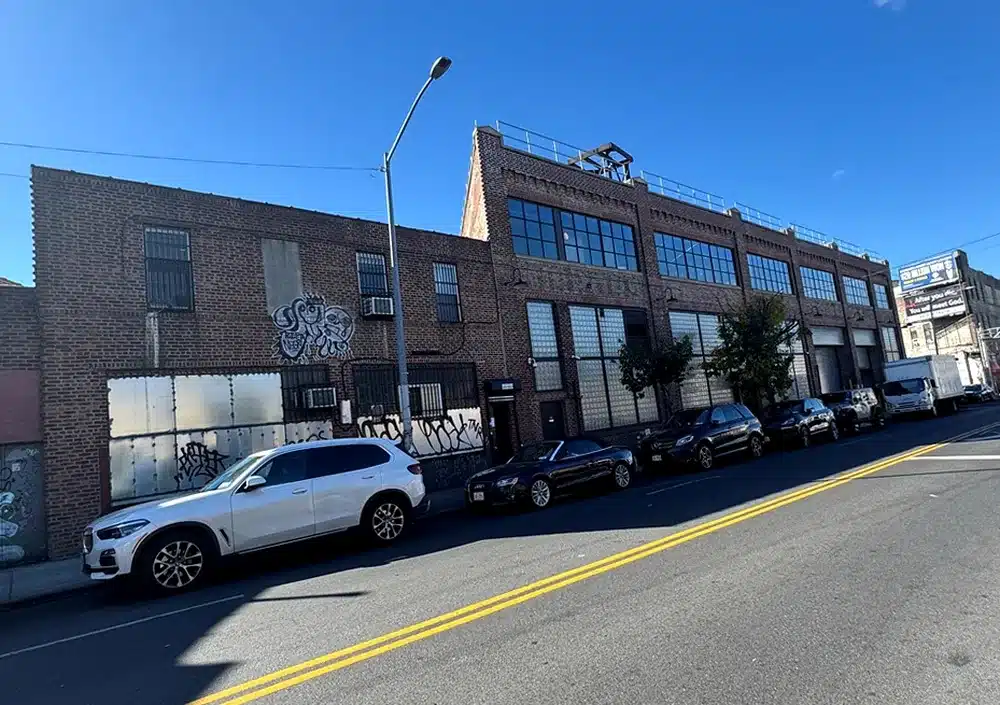
Industrial and warehouse properties are concentrated in areas such as Maspeth, Long Island City, and other locations with access to major transportation infrastructure. Our analysis considers the property’s specific use, location, physical characteristics, surrounding development, and competitive market when determining its market position and value.
Block Appraisals delivers trusted, independent property valuations across Queens for any situation requiring an accurate market value.

Well-supported market analyses designed to help property owners assess and contest property tax assessments.

Accurate property valuations to support home purchases, refinancing decisions, and other lending requirements.

Objective, independent appraisals used in legal proceedings, property division, and dispute resolution.

Detailed valuations for estate settlement, inheritance planning, tax reporting, and historical value determination.

Our appraisal experience extends beyond residential properties to include commercial buildings, mixed-use properties, warehouses, industrial buildings, and other income-producing real estate throughout Queens.

Insightful pricing guidance for homeowners preparing to list their property on the market.
A Property-Specific Approach to a Highly Varied Market
Neighborhoods in Queens can differ significantly in housing type, transportation, amenities, and overall market character. We consider factors such as proximity to subway lines, parks, schools, shopping and dining, waterfront areas, and major transportation hubs when evaluating a property’s location.
We also understand the factors that distinguish individual Queens markets—from the historic character of Forest Hills Gardens to the high-rise development of Long Island City and the suburban appeal of eastern Queens communities.
We conduct thorough inspections that identify the physical characteristics and features that contribute to a property’s value. Depending on the assignment, this may include architectural details, renovations, layout, condition, building amenities, views, lot size, parking, outdoor space, and other property-specific features.
A garden apartment in Forest Hills, a luxury condominium in Long Island City, and a single-family home in Bayside each require attention to different characteristics. For multi-family properties, we can also consider rental income potential and the configuration of the property.
For commercial and industrial properties, our evaluation may also consider building size and configuration, loading areas, warehouse space, ceiling height, parking, access for deliveries, tenant improvements, building condition, site utility, and other characteristics that can influence marketability and income potential.
The diverse housing stock in Queens makes appropriate comparable selection particularly important. We research recent sales within the relevant neighborhood and property segment while considering transportation access, school districts, development activity, market trends, and differences between property types.
Commercial and industrial properties require a different approach to comparable selection than residential properties. Depending on the assignment, we may examine comparable building sales, rental rates, occupancy, property use, building size, lot characteristics, and other market evidence relevant to warehouses, industrial buildings, mixed-use properties, and commercial facilities.
This approach helps ensure the valuation reflects the property’s actual competitive market rather than relying on broad borough-wide averages.


Our appraisers have experience valuing a broad range of Queens property types. Each property is analyzed within its specific neighborhood, condition, property type, and competitive market.
Queens cannot be evaluated as a single real estate market. The factors driving value in a Long Island City high-rise may be very different from those affecting a Bayside single-family home, a Forest Hills co-op, a Rockaway waterfront property, a Maspeth warehouse, or a College Point industrial building.
Our appraisers understand the transportation networks, housing types, school districts, development patterns, and neighborhood characteristics that create distinct micro-markets throughout the borough of Queens.
Neighborhoods: Astoria, Long Island City, Sunnyside
Northwestern Queens combines convenient access to Manhattan with a broad mix of residential environments. Long Island City has developed into a major luxury high-rise market, with waterfront parks and Manhattan skyline views contributing to property appeal.
Astoria maintains a distinct neighborhood character with pre-war apartments, residential streets, and a diverse commercial and dining environment. The area is also home to the Kaufman Astoria Studios, a longstanding film and television production complex that contributes to Astoria’s commercial identity and reflects the neighborhood’s broader mix of creative, industrial, and business uses.
Sunnyside offers another type of residential market, with garden apartment complexes and tree-lined streets. Across the area, transportation access—including the N, W, and 7 trains—can have an important influence on property values. We evaluate how transit, waterfront access, views, building type, and proximity to Manhattan affect individual properties.
Northwestern Queens also includes significant commercial and industrial activity, particularly in areas where residential development overlaps with older industrial and mixed-use properties. Long Island City’s transformation has created a market where high-rise residential developments can exist alongside commercial, warehouse, and industrial properties, making property-specific analysis especially important.
Neighborhoods: Briarwood, Corona, East Elmhurst, Elmhurst, Forest Hills, Glendale, Jackson Heights, Kew Gardens, Maspeth, Middle Village, Rego Park, Ridgewood, Woodside
Central Queens encompasses densely populated and highly varied neighborhoods with strong transportation connections. Forest Hills includes historic Tudor homes and garden apartments, particularly within Forest Hills Gardens, while Jackson Heights is known for its distinctive co-op housing and established neighborhood character.
Corona and Elmhurst contain substantial multi-family housing and diverse residential communities. Rego Park and surrounding neighborhoods include significant co-op and apartment markets. We consider how access to the E, F, M, R, and 7 trains, neighborhood amenities, property type, and exact location influence values throughout Central Queens.
Maspeth also represents an important industrial and commercial market within Queens, with warehouses, industrial buildings, and other properties serving businesses that rely on access to major roadways and regional transportation networks. These properties can have substantially different valuation considerations from the surrounding residential markets.
Neighborhoods: Auburndale, Bayside, Beechhurst, College Point, Douglaston, Flushing, Malba, Murray Hill, Whitestone
Northeastern Queens offers a transition from urban density to more suburban-style residential communities. Flushing serves as a major commercial and cultural center with a distinct and active real estate market. Bayside, Douglaston, and Whitestone feature more traditional residential environments with tree-lined streets and predominantly single-family housing.
School districts are an important consideration in family-oriented markets such as Bayside and Douglaston, while waterfront communities such as Beechhurst and Malba have additional location characteristics that can influence value. We account for these neighborhood-specific factors when selecting comparable properties and developing a valuation.
Neighborhoods: Howard Beach, Jamaica, Ozone Park, Richmond Hill, South Ozone Park, Woodhaven
Southeastern Queens contains established residential communities with a mix of single-family homes and multi-family properties. Howard Beach offers waterfront-oriented living near JFK Airport, while Jamaica serves as a major transportation and commercial center with a broader mix of housing.
Transportation can be particularly important in this portion of Queens. Proximity to JFK Airport, the AirTrain, and subway connections can influence the market position of individual properties. We also consider differences in housing type, neighborhood character, and access to local amenities.
Neighborhoods: Arverne, Belle Harbor, Breezy Point, Far Rockaway, Neponsit, Rockaway Beach, Rockaway Park, Roxbury
The Rockaways represent one of Queens’ most distinctive real estate markets, combining New York City housing with a coastal environment. Properties range from homes in established communities to newer development and waterfront-oriented housing.
Beach access and ocean views can play an important role in market appeal, while waterfront properties require additional consideration of factors such as flood zones, beach access, and other coastal characteristics. The market also includes areas that have experienced substantial rebuilding and development, creating distinct valuation considerations across the peninsula.
Neighborhoods: Flushing, Fresh Meadows, Hillcrest, Jamaica Estates, Kew Gardens Hills, Pomonok
These neighborhoods offer some of the more suburban-style residential environments in Queens. Fresh Meadows includes garden apartments and single-family homes, while Jamaica Estates is known for larger homes and spacious lots. Kew Gardens Hills offers a mix of housing types and established community amenities.
School districts, parks, neighborhood institutions, property size, and the overall residential character of the area can all contribute to market appeal. Our appraisers evaluate these factors alongside the property’s physical characteristics and relevant comparable sales.
“I hired Block Appraisals for my Queens apartment in Flushing and Scott handled everything efficiently. The appraisers were familiar with the neighborhood market and provided detailed comparables from recent sales nearby. The report came back within the timeline I needed and supported my property’s value well.”
— Natalie

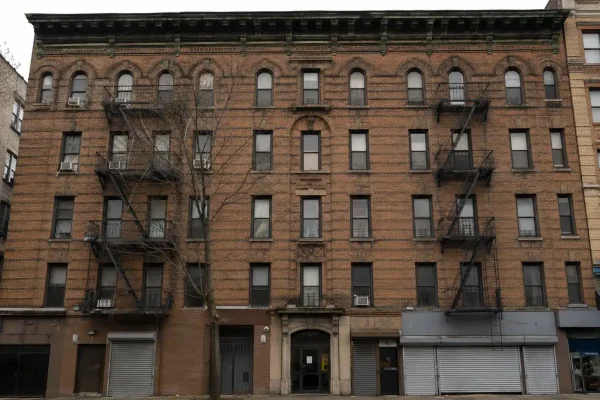

We consider recent comparable sales along with the characteristics of the individual unit and building. Depending on the property, factors such as building condition, common charges or maintenance, amenities, layout, floor level, views, and location can influence market value.
Transportation access can be an important factor in Queens, particularly proximity to subway lines offering convenient or express service to Manhattan. We consider transportation access alongside other location characteristics when evaluating a property.
Queens contains distinct markets ranging from high-rise urban development to suburban-style residential communities. We select comparable properties and analyze market conditions within the appropriate neighborhood and property segment rather than relying on borough-wide averages.
New construction requires consideration of comparable sales in competing developments as well as building amenities, views, floor level, unit characteristics, location, and overall market conditions. We evaluate the property against the appropriate new-development and resale market evidence.
Yes. Garden apartments and other co-op properties require analysis of the unit, building, development, location, and comparable sales. Properties in established garden apartment communities can have market characteristics that differ from conventional condominium or co-op buildings.
Yes. Multi-family properties require consideration of both physical characteristics and income-producing potential. Unit configuration, rents, expenses, condition, parking, location, and comparable sales can all contribute to the valuation.
Waterfront and coastal properties require consideration of factors such as ocean or waterfront access, views, flood zone considerations, property characteristics, and relevant market evidence. We account for the factors that distinguish coastal properties from comparable properties farther inland.
School districts can be an important consideration in family-oriented residential markets. We consider school district location and other neighborhood amenities as part of the property’s overall market context.
Properties near JFK are evaluated within their specific neighborhood and competitive market. Proximity to the airport, AirTrain, subway connections, and other transportation infrastructure can be relevant location factors, along with potential advantages and disadvantages associated with the property’s surroundings.
Yes. Estate assignments may require a retrospective valuation based on market conditions at a specific historical date. The appropriate scope and reporting requirements depend on the intended use of the appraisal.
Yes. Independent property valuations can be used for divorce proceedings, equitable distribution, litigation, property disputes, and other legal matters requiring an opinion of real estate value.
The cost depends on factors such as property type, size, complexity, intended use, and scope of the assignment. A co-op or condominium appraisal may require a different level of analysis than a large multi-family, waterfront, commercial, or litigation assignment. Contact us for a quote based on your specific needs.
The timeline varies based on property type, assignment complexity, property access, and the amount of research required. We can provide a more specific timeline after learning about your property and intended use of the appraisal.
The information needed in preparation for an appraisal depends on the assignment, but details about the property, intended use, ownership, recent renovations, and any relevant property documentation can help the appraisal process move efficiently.
Yes. We provide appraisal services for a range of commercial and industrial properties, including warehouses, industrial buildings, mixed-use properties, and other income-producing real estate. The valuation approach depends on the property’s physical characteristics, use, income potential, location, and available market data.
If you need a Queens real estate appraiser for a mortgage, estate matter, divorce, litigation, tax appeal, pre-listing decision, or another valuation need, contact us to discuss your property and appraisal requirements.
No cookies in this category.
No cookies in this category.