
From Upper East Side co-ops to Tribeca condos, Block Appraisals provides professional real estate appraisals throughout Manhattan. Our local market knowledge helps us deliver accurate, defensible valuations for townhouses, mixed-use properties, and other complex assignments.
Licensed since 2007 • USPAP-compliant reports • 20+ years of NYC market experience
Whether you need a real estate appraisal for a mortgage, refinance, co-op board package, estate matter, divorce, litigation, tax appeal, or pre-listing decision, we provide reports tailored to Manhattan’s unique real estate landscape.
Block Appraisals is led by Scott S. Block, a New York State Certified Residential Real Estate Appraiser with more than 20 years of valuation experience in New York City. Every report is developed in compliance with USPAP standards and supported by the most up-to-date market data.




Local Knowledge for One of the Most Complex Property Markets in the World
Manhattan represents one of the most dynamic and challenging real estate markets in the world. As an epicenter for global commerce, finance, and culture, Manhattan is home to some of the most iconic and, at times, complex real estate anywhere. With property values ranging from modest co-ops to multi-million-dollar penthouses, understanding a property’s true value takes specialized local expertise.
Our appraisers have experience measuring and valuing the full range of Manhattan property types, including pre-war co-ops, modern condominiums, historic townhouses and brownstones, mixed-use buildings, retail properties, warehouses, industrial properties, and more. A studio apartment in the Financial District requires a very different analysis than a townhouse in the West Village or a luxury condo on Billionaires’ Row.
Manhattan also has ownership structures and building rules that directly affect value. Co-op boards, board package requirements, flip taxes, transfer fees, subletting restrictions, building financials, and underlying mortgages can all shape marketability and price. Our appraisers account for those fac
Block Appraisals provides Manhattan property appraisal services for many of the situations where accurate value matters most.

Appraisals for co-op sales, transfers, and board package submissions.

Valuations for financing, refinancing, and other lending-related needs.

Independent appraisals for legal matters, disputes, and equitable distribution.

Valuations for estate matters, inheritance planning, and retrospective reporting.

Professional valuation & measurement services for a broad range of Manhattan real estate.

Clear value guidance for owners preparing to bring a property to market.
A Local, Property-Specific Valuation Process
Manhattan real estate is hyper-local. Values can shift dramatically from one block to the next. We go beyond surface-level analysis to evaluate your property’s surroundings, including proximity to Central Park, transportation access, shopping corridors, cultural institutions, neighborhood prestige, and overall market appeal. Our knowledge of Manhattan’s micro-markets helps us understand how subtle location differences, whether you’re on Park Avenue or Madison Avenue, near a subway entrance or mid-block, can affect value.
Our appraisers conduct thorough inspections that capture the details affecting value. From ceiling heights and original architectural elements to building amenities, layout, exposures, outdoor space, and views, we document the features that set Manhattan properties apart. We also understand building access protocols and inspection logistics in doorman buildings, co-ops, condos, and private homes.
Manhattan’s market moves quickly, and pricing trends can shift by neighborhood, building type, and property category. We track the most up-to-date market data, recent comparable sales, new development activity, and building-specific trends. Our reports reflect accurate market conditions and are built to hold up under review by lenders, attorneys, accountants, executors, co-op boards, and other decision-makers.
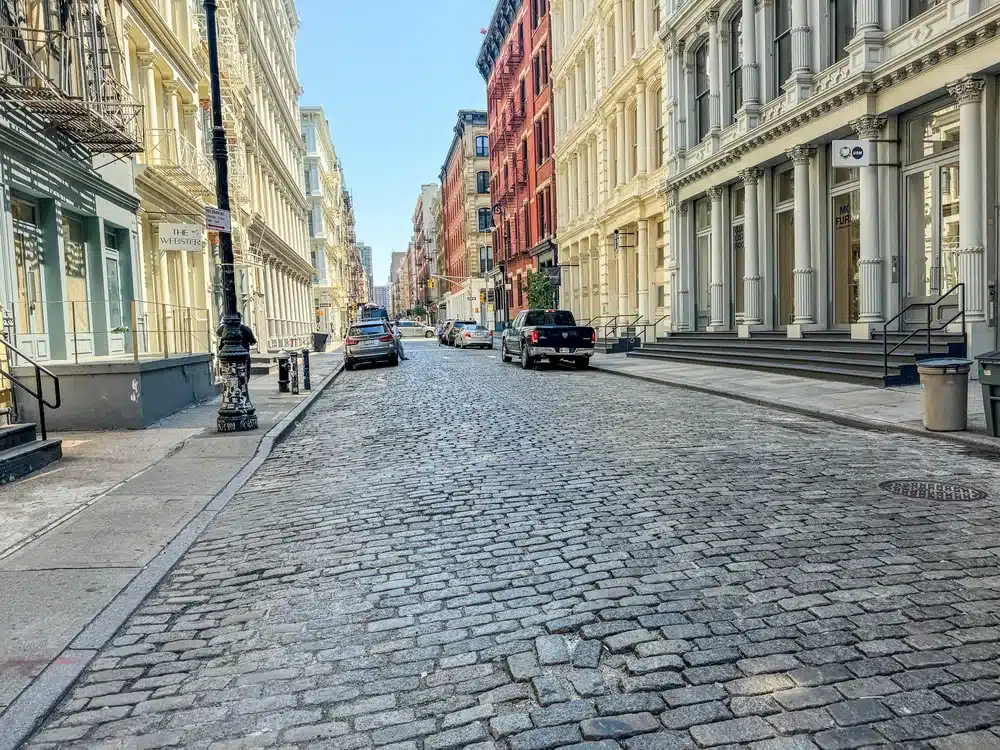
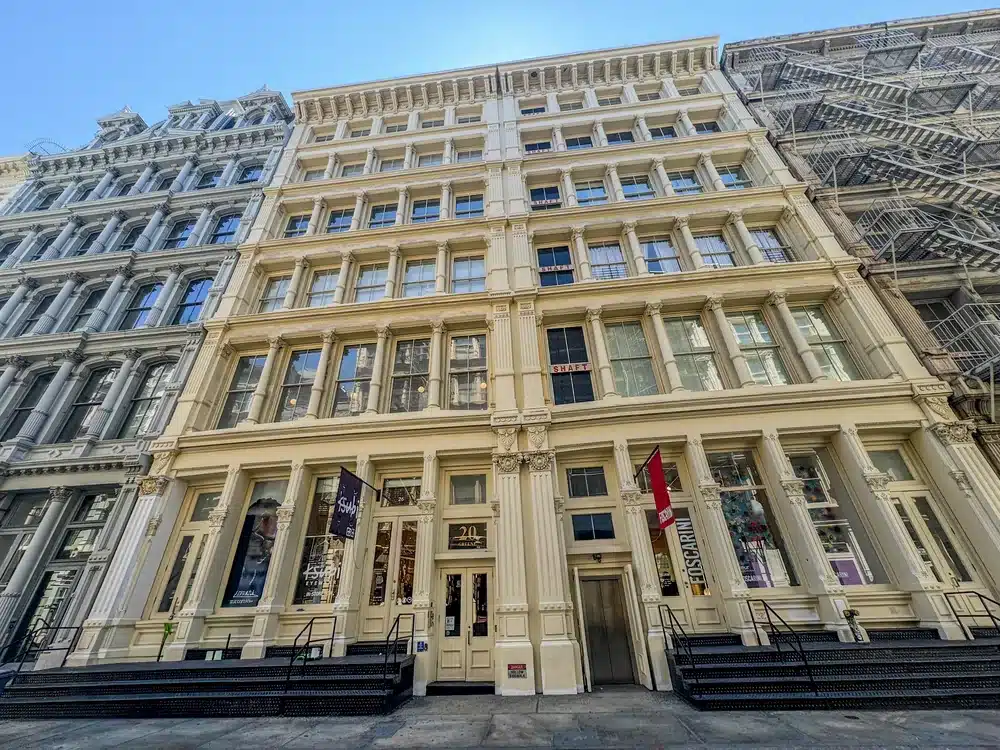
Our appraisers have experience valuing the full range of Manhattan property types. Each property is analyzed within its neighborhood, condition, and market context so the valuation reflects it accurately. A studio apartment in the Financial District requires a very different analysis than a townhouse in the West Village or a luxury condo on Billionaires’ Row.
In Manhattan, values can shift dramatically from one block to the next. A property near a subway entrance may command a premium. A tree-lined street may appeal differently than a busy commercial corridor. A south-facing apartment can perform differently in the market than a similar north-facing unit.
Our appraisers don’t just know Manhattan neighborhoods. We understand the micro-markets within them and how subtle location differences can influence value.
Neighborhoods: Financial District, Battery Park City, Tribeca, SoHo, NoHo, Nolita, Little Italy, Chinatown, Lower East Side, East Village, West Village, Greenwich Village, Chelsea
Downtown Manhattan represents one of the city’s most varied real estate markets, from converted industrial lofts to ultra-modern waterfront towers. We understand how historic architecture, loft layouts, waterfront access, zoning, neighborhood character, and luxury development all influence value across Downtown neighborhoods. From a condo in Battery Park City to a townhouse in the West Village or a loft in Tribeca, our valuations reflect the factors that matter in each micro-market.
The Financial District and Battery Park City feature modern high-rises with waterfront access and strong appeal for buyers seeking convenience and views. Tribeca’s loft buildings with soaring ceilings and historic details command some of Manhattan’s highest prices per square foot. SoHo’s cast-iron architecture and artist loft history create a distinct market where zoning, building conversions, and architectural significance can directly affect value.
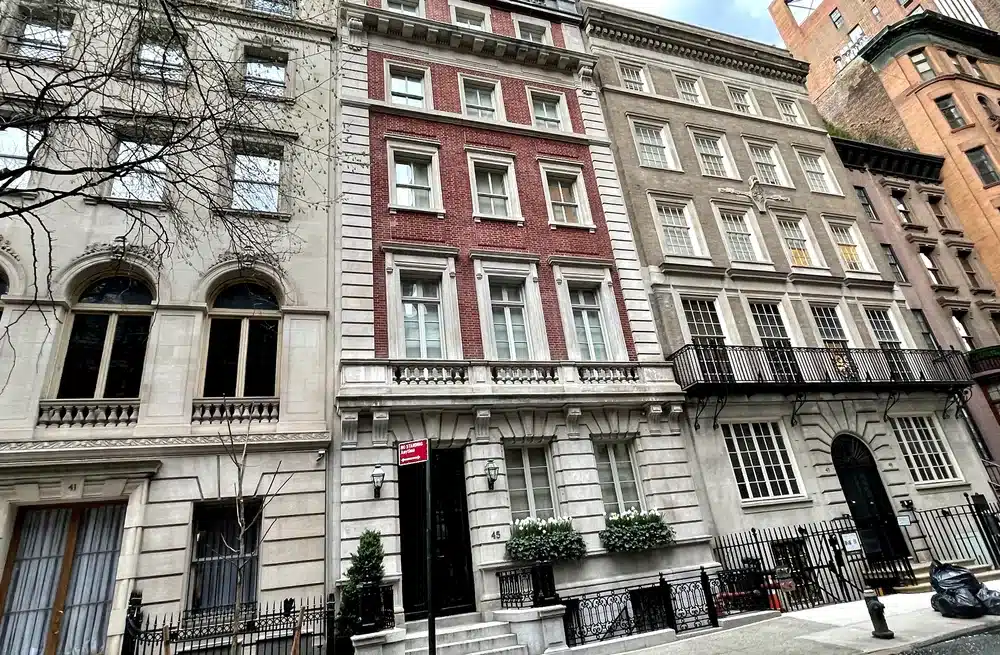
The Village neighborhoods offer charming townhouses, pre-war walk-ups, and tree-lined streets where historic designation and neighborhood character often support strong pricing. Chelsea combines historic brownstones, converted industrial buildings, and modern luxury developments, while the Lower East Side continues to show evolving value patterns shaped by neighborhood change, new development, and building type.
Neighborhoods: Garment District, Hudson Yards, Hell’s Kitchen, Midtown East, Murray Hill, Kips Bay, Turtle Bay, Sutton Place, Tudor City, Gramercy, NoMad, Flatiron, Union Square
Midtown combines residential buildings with major employment centers, transportation hubs, shopping, dining, and cultural destinations. Property values here often depend on convenience, transit access, building type, and exact location within the neighborhood. We’re experienced in valuing everything from smaller apartments and classic co-ops to luxury high-rises and distinctive Midtown properties where location details can have a major effect on price.
Hudson Yards features newer luxury developments with extensive amenities and Hudson River views. Hell’s Kitchen offers a broad mix of housing, from pre-war walk-ups to newer buildings, with restaurant culture and Theater District proximity influencing value. Gramercy, centered around Manhattan’s only private park, includes elegant pre-war buildings where park access and building pedigree support pricing. Sutton Place remains one of Manhattan’s most established enclaves, with prestigious co-ops and townhouses along the East River.
The Flatiron District, NoMad, and Union Square benefit from strong transit access, dining, shopping, and a mix of historic and modern building stock. We understand how those micro-markets function and how smaller location differences, such as quiet side streets, park access, or immediate transit convenience, can shape value.
Neighborhoods: Lincoln Square, Upper West Side (60s–90s), Manhattan Valley
The Upper West Side is known for classic Manhattan elegance, pre-war co-ops, Central Park access, and strong residential appeal. We understand how building reputation, layout, exposure, park or river views, and location within the neighborhood shape value. From Lincoln Square to Riverside Drive and Manhattan Valley, our appraisals account for the differences that separate one Upper West Side property from another.
Lincoln Square features prestigious buildings and cultural proximity to Lincoln Center. The prime Upper West Side from the 60s through the 90s includes sought-after co-ops and condominiums along Central Park West, West End Avenue, and Riverside Drive, where building pedigree, views, and location can significantly affect pricing. Manhattan Valley offers a different value range while still benefiting from neighborhood character and transit access.
Neighborhoods: Lenox Hill, Carnegie Hill, Upper East Side (59th–96th), Yorkville
The Upper East Side remains one of Manhattan’s most established luxury residential markets, with white-glove co-ops, classic pre-war buildings, elegant townhouses, and well-located condominiums. We understand how building pedigree, board reputation, amenities, ceiling height, Central Park proximity, and location near schools or cultural institutions can affect value across the UES.
Lenox Hill and the prime Upper East Side include prestigious buildings along Park and Fifth Avenues, where co-op board strength, building financials, and architectural significance all play a role in valuation. Carnegie Hill attracts families and long-term owners with its schools, townhouse stock, and classic residential character. Yorkville offers a broader range of housing and price points while still benefiting from good transit access and strong Upper East Side identity.
Neighborhoods: Morningside Heights, Manhattanville, Hamilton Heights, Harlem, East Harlem, Washington Heights, Inwood
Upper Manhattan includes a wide range of property types, from historic brownstones and pre-war apartments to newer development and income-producing properties. We track how architectural character, neighborhood evolution, transit access, institutional anchors, and development activity influence value across these neighborhoods. That local understanding helps us deliver more accurate appraisals throughout Upper Manhattan.
Harlem continues to attract attention for its brownstones, renovated homes, and new development. Morningside Heights benefits from proximity to Columbia University and other major institutions. Hamilton Heights includes architecturally significant townhouses and pre-war housing stock. East Harlem, Washington Heights, and Inwood each bring distinct pricing dynamics shaped by housing type, local amenities, community character, and accessibility.
— Iris F.

Co-ops and condos require different valuation approaches. For condos, we analyze recent comparable condo sales in the building and neighborhood while considering common charges, amenities, and overall market demand. For co-ops, we also look closely at monthly maintenance, underlying mortgage obligations, flip taxes, board approval standards, subletting rules, and other restrictions that affect marketability and value.
Yes, board package appraisals are a common need in Manhattan. In many co-op transactions, the board wants support for the contract price before approving the sale. That can apply to financed purchases and, in some cases, cash transactions as well. We provide appraisals that help support the valuation being submitted with the board package.
Location plays a major role in Manhattan pricing. We consider proximity to subway stations, parks, schools, shopping, cultural institutions, major avenues, and neighborhood amenities. We also look at quieter factors, such as whether the unit faces a courtyard or the street, whether the block is residential or heavily commercial, and how the exact location compares with nearby blocks.
Amenities can have a meaningful effect on value in Manhattan. Rooftop terraces, fitness centers, concierge service, parking, storage, outdoor space, river views, skyline views, and high-end common areas may all influence market appeal. We compare those features to competing buildings in the same market segment and make adjustments where supported.
Renovations can influence value, but not every improvement adds the same return. We evaluate the quality, scope, and fit of the renovation within the building and neighborhood. A high-end renovation in a luxury building may support a stronger value conclusion, while over-improvements in a more modest property may not be fully reflected in the market.
Cost depends on the property type, size, complexity, intended use, and scope of the assignment. A co-op, condo, townhouse, estate appraisal, or commercial property may each require a different level of analysis. Contact us for a quote based on your specific property and appraisal needs.
Timing depends on the property type, building access, scope of work, and current market conditions. Many Manhattan residential appraisals can be completed promptly, though more complex assignments may require additional research and analysis. When you contact us, we can give you a clearer timeline based on your property and the intended use of the report.
Yes, we prepare lender-ready appraisal reports for mortgage and refinance purposes, including reports designed to meet the standards commonly expected for loans intended to comply with Fannie Mae guidelines.
Yes, we provide retrospective appraisals for probate, estate administration, step-up basis, cost basis, gift tax, charitable donations, and other tax or legal purposes where a date-of-death valuation is needed.
Yes, we provide commercial appraisal services for mixed-use properties, retail spaces, warehouses, industrial properties, and other income-producing real estate throughout Manhattan.
Manhattan includes many properties that require extra analysis, such as historic townhouses, loft conversions, penthouses, units with large terraces, and rent-stabilized or rent-controlled properties. We evaluate how those characteristics affect value based on market evidence, property rights, and the way buyers and investors respond in that segment of the market.
Our appraisals are prepared in accordance with USPAP standards and can be developed for a wide range of legal, financial, lending, and private-use purposes. If your matter has specific reporting requirements, we can discuss those during your consultation or discovery call.
Whether you need an appraisal for a co-op on Park Avenue, a condo in Tribeca, a townhouse in the West Village, a mixed-use property in Harlem, or another Manhattan assignment, Block Appraisals provides professional valuations backed by local market knowledge and well-supported analysis.
If you need a Manhattan real estate appraiser for a board package, refinance, estate matter, divorce, litigation, pre-listing decision, or investment review, we’re here to help.
No cookies in this category.
No cookies in this category.