
From pre-war apartments along the Grand Concourse to detached homes in the Northeast Bronx, multifamily properties, commercial buildings, and new development in the South Bronx, Block Appraisals understands the distinct residential and commercial property markets that make up the Bronx.
Licensed since 2007 • USPAP-compliant reports • 20+ years of NYC market experience • All five boroughs
The right comparable property isn’t always the one that’s geographically closest. In the Bronx, differences in property type, ownership structure, building scale, and neighborhood character can make seemingly nearby properties poor comparisons.
Our appraisers look at where a property fits within its particular Bronx market, whether that means comparing a co-op with other units in the same development, evaluating a multi-family building based partly on its income potential, or determining how a detached home competes with similar properties in neighboring communities.

Where Urban and Residential Markets Meet
The Bronx occupies a distinctive position within New York City’s housing landscape. It offers many of the conveniences of a dense urban borough while also containing quiet residential streets, larger homes, private communities, extensive parkland, and waterfront neighborhoods.
That range is one reason Bronx properties cannot be evaluated using a single market profile. Riverdale properties may compete with homes in Westchester, while Grand Concourse apartments are shaped by the characteristics of large pre-war buildings and Mott Haven properties may be influenced by newer development. Co-op City presents an entirely different valuation environment because of its scale and distinctive cooperative structure.
Affordability relative to other parts of New York City is another important part of the Bronx market. The borough attracts buyers seeking more space and value while maintaining access to Manhattan, major transportation routes, parks, schools, and cultural institutions.
The Bronx also contains a broad range of commercial and income-producing properties, from neighborhood retail and mixed-use buildings to multifamily apartment properties, larger residential investment buildings, and properties affected by redevelopment.
Commercial valuation requires consideration of factors such as current and potential income, tenant mix, expenses, building configuration, zoning, location, and comparable transactions. These factors can vary substantially between established commercial corridors and areas experiencing new investment and redevelopment.
We offer property appraisal services for a wide range of situations where an accurate, unbiased valuation is essential.

Reliable valuations for home purchases, refinancing, and other lending-related needs.

Independent valuations for co-op sales and transfers.

Valuations for estate administration, inheritance, tax reporting, and retrospective appraisal needs.

Independent valuations for legal matters, property disputes, and equitable distribution.

Clear valuation guidance for owners preparing to bring a property to market.

Market-supported valuations that can help property owners evaluate and challenge a property tax assessment.
Our commercial property analysis may consider rental income, operating expenses, occupancy, tenant characteristics, lease terms, property use, zoning, building improvements, and the property's position within its competitive market.
Local Knowledge Meets Property-Specific Analysis
The Bronx contains distinct markets with different housing types, amenities, and buyer profiles. We consider proximity to subway and Metro-North stations, parks, schools, shopping, cultural institutions, and waterfront areas when evaluating a property’s location.
We also understand the differences between the borough’s established residential communities and areas experiencing redevelopment. Our analysis accounts for the characteristics that make each neighborhood and property market unique.
Our appraisers conduct thorough property inspections to document the physical features that contribute to value. Depending on the assignment, this may include architectural details, renovations, condition, layout, lot size, parking, outdoor space, views, building amenities, and other relevant characteristics.
The Bronx’s varied housing stock makes this property-specific approach especially important. A historic Riverdale home, Grand Concourse co-op, multi-family investment property, and newly constructed South Bronx residence each require attention to different value drivers.
We research recent sales within the appropriate neighborhood and property segment while considering transportation access, school districts, development activity, and broader market trends. This allows us to evaluate the property against relevant competitors rather than relying on broad borough-wide averages.
For areas experiencing significant development, such as Mott Haven and other parts of the South Bronx, we also consider how new construction and changing market conditions affect comparable properties.

We appraise a wide range of property types throughout the Bronx. Each property is evaluated based on its unique neighborhood, condition, property type, and local market conditions.
The Bronx encompasses an unusually broad range of property markets. A Riverdale estate, Grand Concourse co-op, neighborhood retail property, Mott Haven mixed-use building, multifamily investment property, or Co-op City apartment each requires a different understanding of the factors that drive value.
Our appraisers use neighborhood knowledge, property-specific inspection, and relevant market data to develop valuations suited to the individual assignment.
Neighborhoods: Riverdale, North Riverdale, Central Riverdale, Spuyten Duyvil, Fieldston, Kingsbridge, Kingsbridge Heights
The Northwest Bronx contains some of the city’s most distinctive residential properties. Riverdale and Fieldston offer a combination of large homes, historic architecture, Hudson River views, private schools, and a quieter atmosphere that can feel more suburban than urban. Some properties compete directly with homes across the Westchester County border, making the relevant comparison set particularly important.
Further south, Kingsbridge and Kingsbridge Heights provide a different price point and housing mix while retaining access to the area’s parks and transportation. Elevation, views, lot characteristics, architectural quality, and proximity to schools can all play an outsized role in determining where a property falls within this market.
Neighborhoods: University Heights, Fordham Heights, Concourse Village
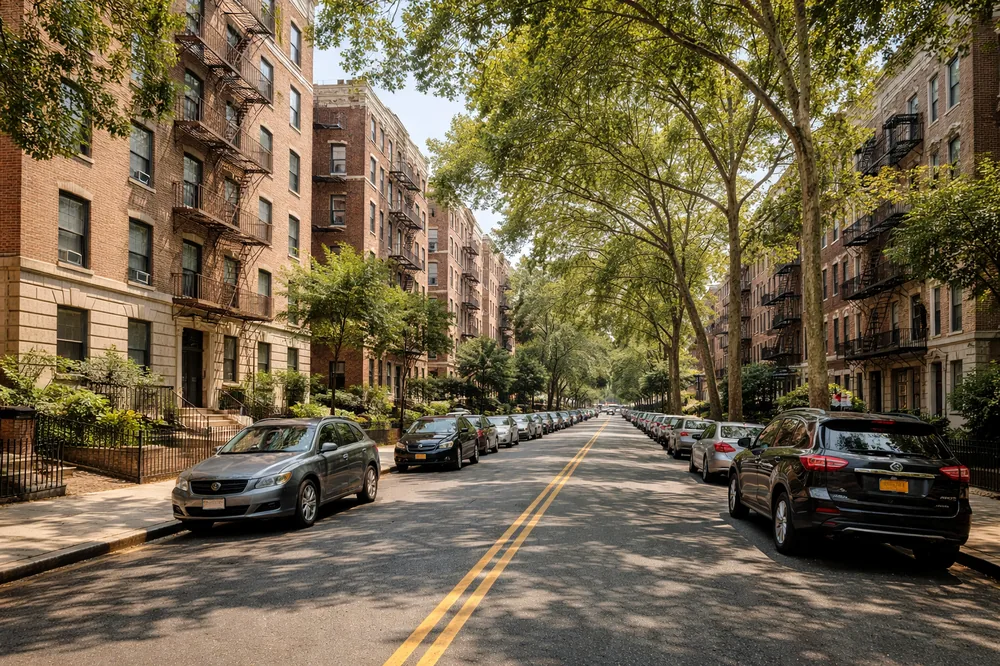
The Grand Concourse is one of the Bronx’s defining architectural and residential corridors, lined with substantial pre-war and Art Deco apartment buildings. Properties here often need to be evaluated with an understanding of the building’s era, design, condition, and amenities rather than simply its square footage.
University Heights adds an institutional dimension through its proximity to Fordham University and Bronx Community College, while Fordham Heights and Concourse Village benefit from extensive subway access. Co-ops and rental buildings form an important part of the housing landscape in these neighborhoods.
Neighborhoods: Fordham, Morris Park, Van Nest, Crotona Park East, East Tremont
Central Bronx neighborhoods offer a strong contrast to the large apartment markets farther west. Morris Park and Van Nest, for example, contain many single- and two-family homes and have a distinctly established residential character.
Fordham operates as a major commercial and transportation hub, creating a market where retail, mixed-use, multifamily, and other income-producing properties may be influenced by pedestrian activity, transportation access, tenant demand, and the characteristics of surrounding commercial corridors.
East Tremont provides access to parkland and a variety of housing types. Shopping, schools, cultural institutions, and proximity to destinations such as the Bronx Zoo and New York Botanical Garden contribute to the appeal of properties throughout this section of the borough.
Neighborhoods: Mott Haven, Concourse, Foxhurst
The South Bronx presents one of the borough’s most actively changing real estate environments. Mott Haven has attracted new residential construction, loft conversions, restaurants, cultural activity, and waterfront improvements, creating a market where newer properties increasingly sit alongside established stock.
For appraisal purposes, that means recent sales need to be considered against the direction of the neighborhood as well as its current inventory. New construction, rezoning, Manhattan proximity, and changing amenities can all affect how properties compete within this evolving market.
Neighborhoods: Pelham Gardens, Wakefield, Williamsbridge, Throggs Neck
The Northeast Bronx offers a markedly different experience, with single- and two-family homes, larger lots, quieter streets, and neighborhoods that often appeal to buyers seeking more space. Wakefield’s proximity to Westchester and Metro-North gives it a regional connection, while Williamsbridge benefits from nearby cultural and recreational destinations.
Throggs Neck adds a waterfront component, with properties influenced by access to the Long Island Sound, views, and the area’s coastal setting. Across these neighborhoods, lot size, schools, transportation, and the surrounding residential environment can be important components of market appeal.
Neighborhood: Co-op City
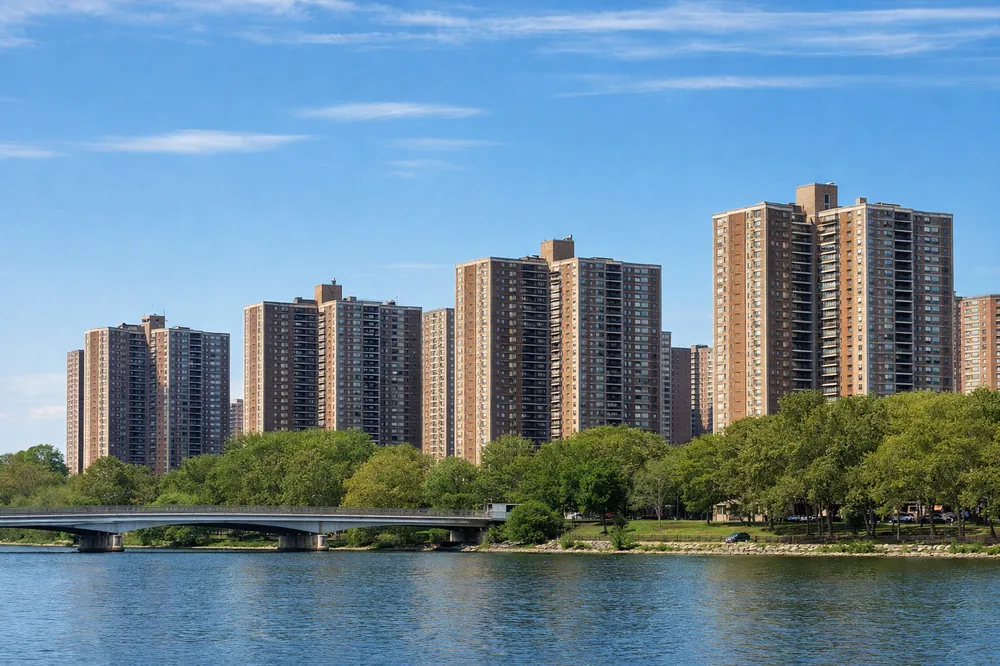
Co-op City deserves separate consideration because it is effectively its own real estate ecosystem. With more than 15,000 units across high-rise buildings and townhouse clusters, the development operates on a scale unlike a conventional co-op building. Its internal shopping, schools, parking, amenities, and community infrastructure all contribute to the way properties function within the market.
An appraisal here requires familiarity with the development itself. Building location, floor, views, unit configuration, parking, proximity to shopping, recent sales, fees, and the cooperative’s underlying financial structure can all influence value. Comparing a Co-op City unit with a conventional co-op elsewhere in the Bronx would miss many of the characteristics that actually drive its market value.
— J V



We consider recent comparable sales along with the characteristics of the individual unit and building. Depending on the property, factors such as maintenance, amenities, condition, layout, floor level, views, and location can influence value.
Co-op City is an unusually large and specialized cooperative development, with its own housing stock, amenities, fees, and market dynamics. We consider recent sales within the development along with factors such as building location, unit size, floor level, views, parking, and proximity to amenities.
Transportation access can be an important component of a property’s location. We consider proximity to subway lines and Metro-North stations along with other factors such as neighborhood amenities, schools, parks, and commercial areas.
Multi-family properties require consideration of both physical characteristics and, when appropriate, income-producing potential. Unit configuration, rental income, expenses, condition, parking, location, and comparable sales may all contribute to the valuation.
The South Bronx includes areas experiencing substantial redevelopment and new residential construction. We consider recent comparable sales, new development, rezoning and development activity, neighborhood amenities, and the property’s specific characteristics when determining value.
Riverdale properties can be influenced by factors including views, lot size, architectural character, condition, private schools, parks, transportation, and the property’s exact location. Some properties may also compete with homes in nearby Westchester County markets.
School quality and proximity to educational institutions can contribute to market appeal, particularly in family-oriented neighborhoods. We consider schools alongside other location characteristics rather than treating them as an isolated valuation factor.
Yes. Waterfront properties may require consideration of views, access, location, property characteristics, and other factors that distinguish them from inland comparables. This can be particularly relevant in areas along the Long Island Sound.
Yes. Estate assignments may require a retrospective valuation based on market conditions at a specific historical date. The appropriate scope depends on the intended use and reporting requirements.
Yes. Independent valuations can be used for divorce proceedings, equitable distribution, litigation, property disputes, and other legal matters requiring an opinion of real estate value.
The cost depends on the property’s type, size, complexity, intended use, and scope of the assignment. A co-op appraisal may require a different level of analysis than a large multi-family, commercial, waterfront, or litigation assignment. Contact us for a quote based on your specific property.
The timeline varies depending on property type, assignment complexity, access to the property, and the amount of research required. We can provide a more specific estimate after discussing your property and appraisal needs.
Yes. Commercial assignments can include mixed-use properties, retail properties, apartment buildings, and other income-producing real estate. The appropriate valuation methodology depends on the property’s characteristics and intended use.
Yes. The Bronx includes many properties that require specialized analysis, including large cooperative developments, historic homes, waterfront properties, multi-family buildings, and properties undergoing renovation or redevelopment. We evaluate the specific characteristics and competitive market relevant to each assignment.
The information needed depends on the assignment. Property details, the intended use of the appraisal, recent renovations, ownership information, and relevant property documentation can help us determine the appropriate scope of work.
Whether you’re evaluating a Riverdale home, a Grand Concourse co-op, a multifamily investment property, a mixed-use building, a commercial property, or a newer South Bronx development, Block Appraisals provides independent valuations grounded in the property’s actual competitive market.