
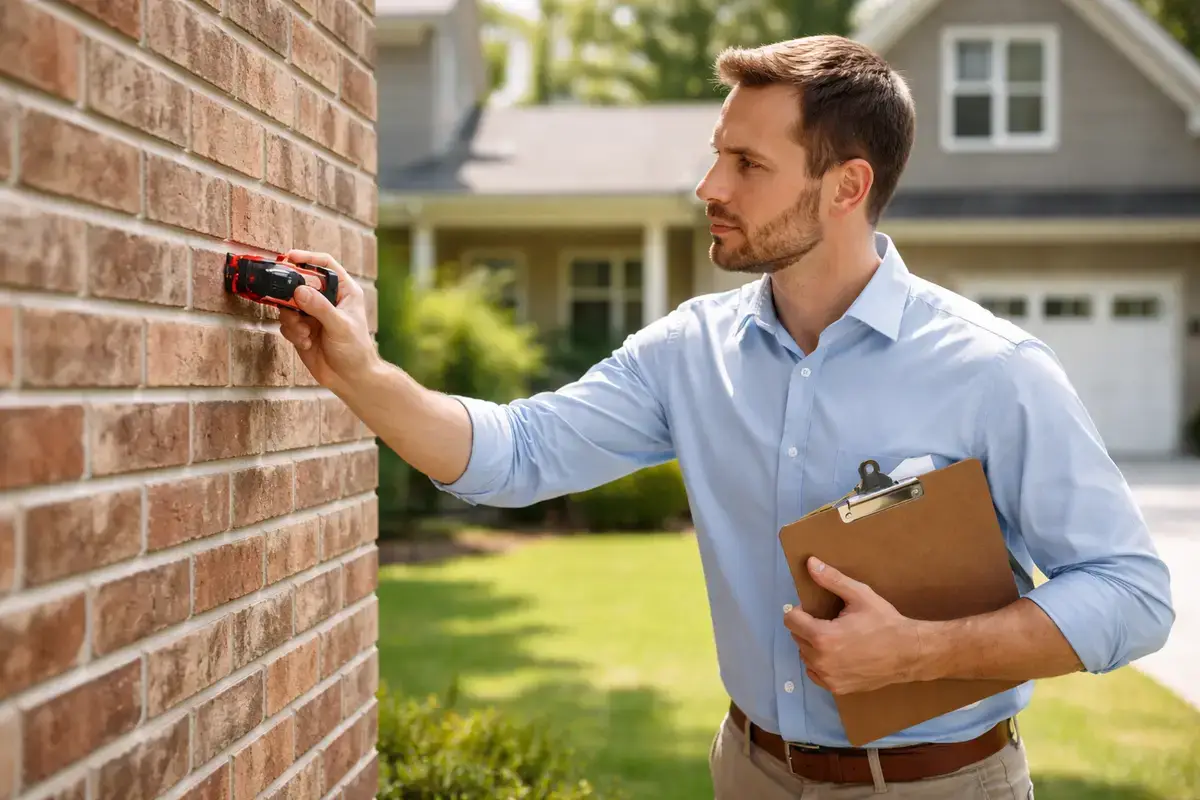
The home appraisal measurement process determines how much livable space your property has, and that number controls your appraised value more than almost anything else. An appraiser doesn’t eyeball your square footage. They follow a strict national standard called ANSI Z765-2021, which both Fannie Mae and Freddie Mac now require for every single-family residential loan. Getting the measurement wrong by even a few hundred square feet can shift your appraised value by tens of thousands of dollars. That’s not theory. I’ve seen it play out on real deals across dozens of markets.
The home appraisal measurement process is a standardized procedure where a licensed appraiser physically measures a property’s exterior dimensions, calculates Gross Living Area (GLA) using ANSI Z765-2021 standards, and produces a computer-generated sketch with full calculations to support the final property valuation.
This article covers how appraisers measure your home, what those measurements mean for your property value, what it costs, and how to prepare. It won’t cover commercial appraisal methods or condo-specific measurement rules, which follow different guidelines.
How Does the Home Appraisal Measurement Process Work?
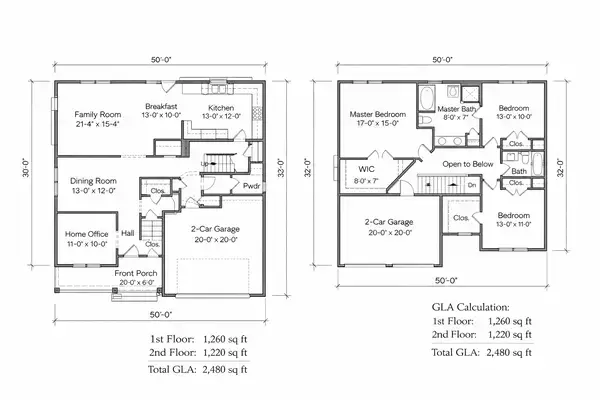
The appraiser measures your home’s exterior perimeter, records every dimension, and creates a digital floor plan sketch. That sketch has to be computer-generated. Hand-drawn versions aren’t accepted anymore.
Your lender orders the appraisal through a third-party appraisal management company (AMC). That’s been the rule since the Dodd-Frank Act aimed to prevent conflicts of interest. A state-licensed appraiser then schedules the property visit, usually within 48 hours. According to updated Fannie Mae property measuring guidelines published in April 2025, all single-family appraisals must use ANSI Z765-2021 with full compliance. No exceptions for local custom.
Freddie Mac formally adopted the same standard in February 2026, which means every GSE-backed loan now follows identical measurement rules. The appraiser calculates your Gross Living Area (GLA), which is the total finished, above-grade living space. And here’s where most confusion hits.
A finished basement doesn’t count as GLA. Period. Under ANSI Z765, any space that’s even partially below the exterior grade line gets classified as below-grade finished area. It still contributes to your home’s value, but it’s reported separately. I’ve watched homeowners lose 500+ square feet of counted GLA because a split-level design put part of their living area below grade. It’s not a flaw in the standard. But it catches people off guard every time.
Once those measurements are locked in, the appraiser feeds the data into one of the three main approaches to property valuation (sales comparison, cost, or income) to arrive at the final number. For most single-family homes, the sales comparison approach drives the result.
What Do Appraisers Measure During the Home Visit?
More than just square footage. The appraiser evaluates:
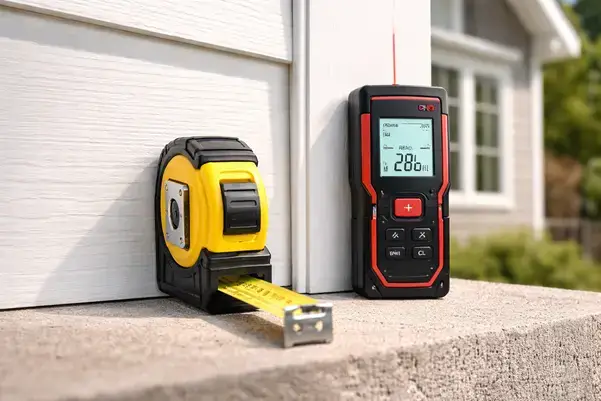
1. Exterior dimensions of the home’s full footprint, measured with a laser distance meter.
2. Room-by-room interior layout and ceiling heights (minimum 7 feet for GLA; the 50% rule applies for sloped ceilings).
3. Finished versus unfinished areas on each level of the home.
4. Below-grade versus above-grade classification for every floor.
5. Any structural additions, conversions, or unpermitted work.
Ceiling height matters more than most people think. Under ANSI Z765, spaces with ceilings below 5 feet don’t count at all. Sloped ceilings only count where at least half the area hits the 7-foot minimum. The appraiser also photographs every room and exterior angle to support specific valuation decisions in the final report.
How Long Does the Appraisal Measurement Take?
The on-site visit runs 30 minutes to 2 hours depending on your home’s size. A typical 1,500-square-foot ranch takes about 30 minutes. A 4,000-square-foot multi-level home with additions and a walk-out basement? Closer to 2 hours.
After the visit, the appraiser compiles the full report. They cross-reference comparable sales, apply valuation adjustments, and write up their analysis. Expect the finished report within 7 to 14 business days. Peak seasons and staffing shortages stretch that timeline. The Bureau of Labor Statistics reports roughly 77,300 property appraisers employed nationally, with a median wage of $65,420. About 80% are over 50. That workforce squeeze is real, and it affects turnaround times in every market. Choosing a certified residential appraiser with local market experience can cut days off that timeline.
How Much Does a Home Appraisal Cost in 2026?
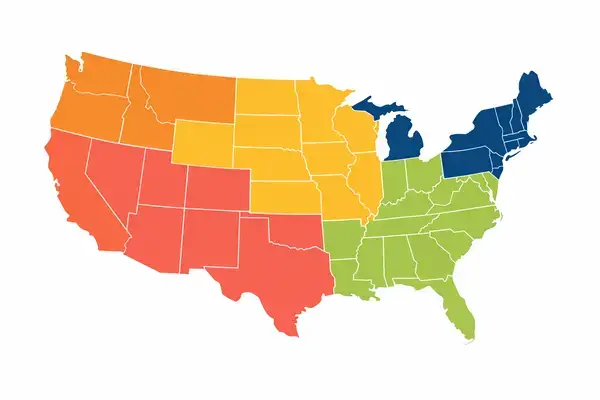
The national average sits around $358, with most homeowners paying between $314 and $423 for a standard single-family appraisal. But that average hides massive regional variation.
| Region | Typical Cost Range |
| Northeast (NY, MA, NH) | $625–$750+ |
| Southeast (GA, KY) | $300–$500 |
| Midwest (MI, OH) | $300–$625 |
| West (CA, WA) | $310–$600+ |
| Southwest (AZ, CO) | $320–$505 |
FHA appraisals run $400–$700 because of stricter inspection requirements. VA appraisals can exceed $1,000 in certain markets. There’s no separate line item for the measurement portion alone. It’s baked into the full appraisal fee.
Who Pays for the Home Appraisal?
The buyer or the homeowner refinancing pays. The fee appears on your closing disclosure three days before closing. Lenders order it, but you cover the bill.
One thing most articles skip: rural properties and one-of-a-kind homes cost more to appraise because comparable sales are harder to find. If your property sits on acreage or has an unusual layout, budget toward the higher end of the range. The same measurement process applies whether you’re purchasing, refinancing, or ordering an appraisal for estate or divorce purposes. Working with a qualified local appraisal team who knows your specific market means fewer surprises in the final report.
Home Inspection vs. Appraisal Measurement: What’s the Difference?
These get confused constantly. They shouldn’t.
A home inspector tests systems. Electrical panels, plumbing, roofing, HVAC, foundation integrity. They’re looking for problems. An appraiser measures value. They document your home’s size, condition, location, and comparable market data to arrive at a dollar figure. Yes, appraisers note obvious defects that affect value. But they’re not crawling into your attic to check wiring.
You need both property measurement services and home inspections in any purchase transaction. They serve completely different purposes. If you want a deeper look at how the numbers work, understanding the gap between appraised value and market value is a good next step.

How Should You Prepare for Accurate Appraisal Measurements?
Start with access. Make sure every room, closet, and floor level is physically reachable. An appraiser who can’t enter a finished attic space can’t count it toward your GLA.
Beyond that, gather documentation for any renovations, additions, or permitted work with dates and costs. Fix obvious maintenance issues. Chipped paint and broken fixtures don’t affect measurements directly, but they drag down the condition rating that feeds into your final value.
Here’s the contrarian take most agents won’t share: know your property’s MLS square footage and compare it to your tax records before the appraiser shows up. Post-2022, appraisers can’t just rubber-stamp those numbers. They must independently measure under ANSI and note any discrepancies. If your listing says 2,400 square feet but the appraiser measures 1,900 under ANSI, that gap hits your value directly. Getting a pre-listing appraisal catches this before it costs you a buyer.
Can You Challenge an Appraisal Measurement?
Yes. But “I disagree” isn’t enough.
If you believe the GLA calculation is wrong, request a reconsideration of value from your lender. You’ll need evidence: an independent ANSI-compliant re-measurement, documentation of comparable sales the appraiser missed, or proof that below-grade areas were misclassified.
Lenders rarely overturn appraisals without a clear factual error. I’ve seen cases where two separate appraisals differed by over $620,000, partly because of measurement inconsistencies between pre-ANSI and post-ANSI methods. That’s extreme, but it shows how much the measurement methodology matters. Talk to your agent or broker before contacting the appraiser directly. They can frame the request professionally and point to specific comps or measurement discrepancies. Knowing how appraisals affect your final sale price ahead of time gives you a stronger position in any reconsideration.
The ANSI Standard Most Homeowners Don’t Know About
ANSI Z765-2021 isn’t new, but uniform enforcement across both Fannie Mae and Freddie Mac is. Fannie has required it since 2022. Freddie formally adopted it in February 2026. That means every GSE-backed loan now follows the same home appraisal measurement process nationwide.
Before this, local customs varied wildly. Some markets counted finished basements in the total. Others measured from interior walls instead of exterior. The result? MLS listings and tax records across the country are full of square footage numbers that won’t match what an appraiser finds today. Whether you need a mortgage valuation, tax appeal, or litigation support, working with a team that offers dedicated real estate appraisal services built around these standards keeps you ahead of the curve.
The Appraisal Institute’s ANSI Z765-2021 training program calls it “Measure, Calculate, and Report” for good reason. If you’re buying, selling, or refinancing in 2026, the home appraisal measurement process starts and ends with this standard. Understanding it isn’t optional anymore.
For property owners looking to get ahead of the curve, partnering with an SEO team that understands real estate verticals can help position your appraisal-related content where homeowners are already searching.
FAQs
What is the ANSI Z765 standard for home appraisals?
ANSI Z765-2021 is the national measurement standard that defines how appraisers calculate Gross Living Area (GLA) for residential properties. Both Fannie Mae and Freddie Mac require it for all single-family mortgage appraisals. The standard mandates exterior measurements, computer-generated sketches, and specific rules for ceiling heights and below-grade classification.
Does a finished basement count toward home appraisal square footage?
No. Under ANSI Z765, any living space that’s partially or fully below the exterior grade line is classified as below-grade finished area, not GLA. It still contributes to your home’s overall value, but it’s reported in a separate section of the appraisal. This rule applies even if the basement has high-end finishes and full-height ceilings.
How do appraisers measure a home during the appraisal process?
Appraisers measure the exterior perimeter of the home using laser distance meters, then create a computer-generated floor plan sketch showing all dimensions and area calculations. They classify each level as above-grade or below-grade, verify ceiling heights meet the minimum 7-foot requirement, and calculate total GLA per ANSI Z765-2021 standards.
What happens if home appraisal measurements don’t match MLS records?
The appraiser’s ANSI-compliant measurement takes priority over MLS or tax record data. If the appraiser finds a discrepancy, they must report their independently measured GLA and note the difference. Pre-ANSI records often used interior measurements or counted below-grade space, so mismatches of 200–700 square feet are common in older listings.
How much does a home appraisal measurement cost in 2026?
The national average for a full single-family appraisal (which includes the measurement) is roughly $358, with most homeowners paying between $314 and $423. Costs vary by region: Northeast appraisals can exceed $750, while Southeast markets often come in under $400. FHA and VA appraisals cost more due to stricter requirements.
Can ceiling height affect my home appraisal value?
Yes. Under ANSI Z765-2021, finished space needs a minimum 7-foot ceiling height to count as GLA. For rooms with sloped ceilings, only the area where at least 50% meets the 7-foot minimum counts. Any space below 5 feet is excluded entirely. This rule can reduce GLA by hundreds of square feet in Cape Cod homes and attic conversions.
How long does a home appraisal measurement take from start to finish?
The on-site measurement visit takes 30 minutes to 2 hours depending on property size and complexity. After that, the appraiser needs 7 to 14 business days to compile the full report with comparable sales analysis, valuation adjustments, and the final value opinion. Peak seasons and the national appraiser shortage (roughly 77,300 active appraisers per BLS data) can extend this timeline.
[hfcm id=”145″]