Serving New York's Most Diverse Borough with Expert Property Valuations
From the waterfront high-rises of Long Island City to the suburban neighborhoods of eastern Queens, we provide comprehensive real estate appraisals throughout NYC’s largest and most diverse borough. Our deep knowledge of Queens’ varied neighborhoods ensures accurate valuations for residential and commercial properties of all types.
The World’s Borough
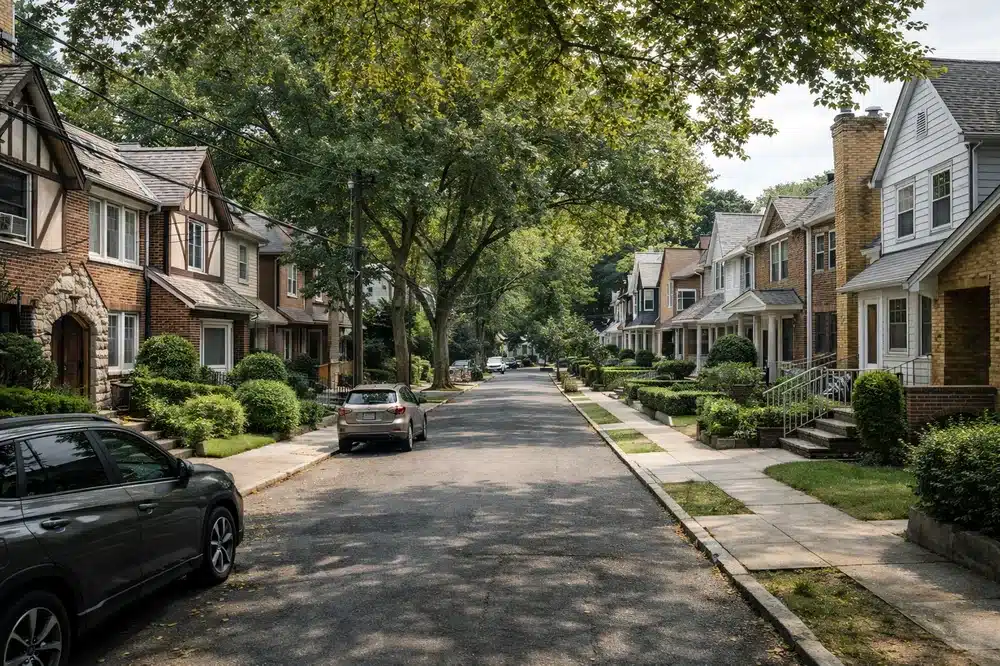
Queens stands as New York City’s largest borough by area and one of the most ethnically and economically diverse counties in America. This remarkable diversity extends to its real estate market, which encompasses everything from dense luxury high-rises in Long Island City to suburban single-family neighborhoods in eastern Queens, from waterfront condos in the Rockaways to historic garden apartments in Forest Hills. Our appraisers understand the complexity of valuing properties across Queens’ incredibly varied landscape.
Queens real estate is characterized by dramatic differences from one neighborhood to the next. A condo in Long Island City with Manhattan skyline views operates in a completely different market than a Tudor home in Forest Hills Gardens or a two-family house in Astoria. Transit access—particularly proximity to subway lines offering express service to Manhattan—significantly impacts property values throughout the borough, creating distinct micro-markets within walking distance of major stations.
What makes Queens particularly interesting for appraisers is the combination of rapid development in certain neighborhoods alongside established, stable residential communities. Areas like Long Island City and Astoria have seen extensive new construction and rising prices, while neighborhoods like Bayside and Flushing maintain strong, mature markets with different value drivers. We track these trends carefully and understand how location, property type, and neighborhood character combine to create value in each Queens micro-market.
Evaluating NYC’s Most Diverse Borough
Neighborhood Insights
Queens offers an incredible variety of amenities and neighborhood characteristics that significantly affect property values. We evaluate key factors like proximity to express subway lines to Manhattan, access to parks and green spaces throughout the borough, highly-rated school districts that drive family buying decisions, diverse dining and cultural amenities, and waterfront access in areas like Long Island City and the Rockaways. Every Queens neighborhood has unique selling points—our knowledge extends from understanding Forest Hills Gardens’ historic character to tracking Long Island City’s explosive development to appreciating the suburban appeal of eastern Queens communities.
Comprehensive On-Site Evaluations
Queens’ real estate market features an extraordinary mix of property types, from pre-war co-ops to brand-new luxury condos to single-family homes. We use a thorough evaluation system that captures the unique features of your Queens property. Whether we’re assessing historic garden apartments in Forest Hills, evaluating rental income potential in a multi-family home in Astoria, documenting luxury amenities in a new Long Island City high-rise, or analyzing lot size and outdoor space in a Bayside single-family home, we document every factor that contributes to your property’s value during our efficient on-site inspections.
Data-Driven Market Analysis
Understanding your property’s value means evaluating it in relation to current Queens market trends. We conduct in-depth research on recently sold properties in your specific neighborhood, transit access and its impact on values, school district quality and family-oriented amenities, development activity and gentrification trends, and how your property compares across the diverse range of Queens housing stock. This data-driven approach ensures our valuations reflect the realities of Queens’ dynamic and remarkably varied real estate landscape.
Neighborhoods: Astoria, Long Island City, Sunnyside
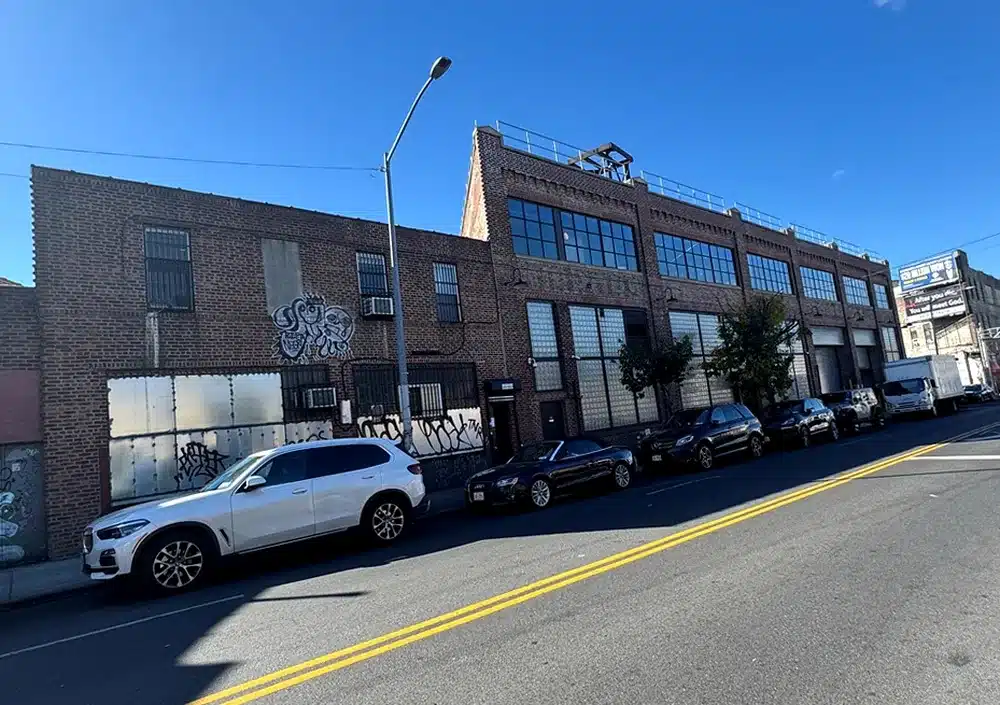
Northwestern Queens neighborhoods offer unmatched proximity to Manhattan combined with diverse dining, culture, and a rich mix of property types. Long Island City has transformed into a luxury high-rise hub with waterfront parks and stunning Manhattan skyline views. Astoria maintains its vibrant character with pre-war apartments, charming residential streets, and some of the city's best restaurants. Sunnyside features beautiful garden apartment complexes and tree-lined streets. We understand how waterfront views, express subway access (N/W/7 trains), and proximity to Manhattan impact values in this dynamic area, and how different building types—from historic walk-ups to modern glass towers—command different price points.
Neighborhoods: Briarwood, Corona, East Elmhurst, Elmhurst, Forest Hills, Glendale, Jackson Heights, Kew Gardens, Maspeth, Middle Village, Rego Park, Ridgewood, Woodside
Central Queens represents some of the borough's most densely populated and diverse neighborhoods with excellent transit connections. Forest Hills features historic Tudor homes and elegant garden apartments, particularly in the exclusive Forest Hills Gardens area. Jackson Heights is known for its beautiful co-op buildings and incredible international dining scene. Elmhurst and Corona are thriving communities with strong multi-family home markets. We understand the co-op and garden apartment markets prevalent in Forest Hills and Rego Park, the multi-family home dynamics in Elmhurst and Corona, and how proximity to the E/F/M/R and 7 trains significantly impacts property values across this region.
Neighborhoods: Auburndale, Bayside, Beechhurst, College Point, Douglaston, Flushing, Malba, Murray Hill, Whitestone
Northeastern Queens offers a compelling mix of urban density and suburban character, with some of the borough's most desirable residential neighborhoods. Flushing serves as a major commercial and cultural hub with a robust real estate market driven by strong Asian demand. Bayside, Douglaston, and Whitestone feature tree-lined streets, excellent schools, and predominantly single-family homes with a decidedly suburban feel. We track the dynamic Asian real estate market in Flushing, understand how top-rated schools drive premium values in Bayside and Douglaston, and recognize the waterfront appeal of communities like Beechhurst and Malba.
Neighborhoods: Howard Beach, Jamaica, Ozone Park, Richmond Hill, South Ozone Park, Woodhaven
Southeastern Queens neighborhoods feature diverse residential communities with strong family-oriented character. Howard Beach offers waterfront living near JFK Airport with a close-knit community feel. Jamaica serves as a major transportation hub and commercial center with varied housing stock. These neighborhoods primarily feature single-family homes, multi-family properties, and established residential streets. We understand the market dynamics in these communities and how proximity to JFK Airport, the AirTrain, and various subway lines affects property values.
Neighborhoods: Arverne, Belle Harbor, Breezy Point, Far Rockaway, Neponsit, Rockaway Beach, Rockaway Park, Roxbury
The Rockaway Peninsula offers beachfront living within New York City limits—a truly unique combination. From the gated community of Breezy Point to the developing neighborhoods of Far Rockaway and Arverne, the Rockaways provide beach access, ocean views, and a distinct coastal lifestyle. We understand the special considerations for appraising waterfront properties here, including flood zone analysis, beach access rights, seasonal market factors affecting sales patterns, and how post-Hurricane Sandy reconstruction has reshaped the market.
Neighborhoods: Flushing, Fresh Meadows, Hillcrest, Jamaica Estates, Kew Gardens Hills, Pomonok
These neighborhoods represent Queens' more suburban character with quieter streets and family-focused amenities. Fresh Meadows features garden apartment complexes and single-family homes on tree-lined streets. Jamaica Estates is known for large, elegant homes on spacious lots. Kew Gardens Hills offers a mix of housing types with strong community institutions. We're familiar with how excellent school districts, synagogues and religious institutions, and proximity to parks like Cunningham Park drive values in these established residential areas.
Our appraisers don't just understand Queens—we know the transportation networks that connect the borough, the school districts that drive family decisions, the cultural centers that define communities, and the development patterns that are reshaping neighborhoods. This comprehensive local knowledge ensures accurate valuations across every Queens micro-market.
Queens offers local residents a much-needed reprieve from the fast-paced city life, boasting some of New York’s most breathtaking botanical gardens and a diversified economy. With opportunities for employment spread across various fields of work, Queens, NY is a top choice for business owners seeking to expand their reach. Our appraisers in NYC take great care to evaluate Queens properties with local insights as unique as each neighborhood of the borough itself.

Every Queens local knows that each neighborhood comes with its own uniquely vibrant way of life. Our property appraisal experts weigh the benefits of your property’s surrounding area, creating a comprehensive look into its overall value.

We’re committed to providing thorough and efficient service for property owners in Queens and beyond. Our NYC property appraiser has developed a streamlined system that allows us to thoroughly evaluate your property and create an accurate evaluation in just one on-site visit.

No matter the size or location of your property, we ensure accurate results by leveraging real-time market data to determine your property’s value in today’s real estate landscape, delivering the answers you need.

Co-op valuations require analyzing recent sales of similar co-ops in your building and nearby buildings, considering monthly maintenance fees and what they include, building amenities and overall condition, board policies on subletting and financing, and overall marketability compared to condos and other options. Queens has an extensive co-op inventory, particularly in neighborhoods like Forest Hills, Rego Park, and Bayside. We understand this market deeply and provide well-supported valuations that consider all factors affecting co-op desirability and value.
Absolutely. In Queens, transit access is a major value driver—perhaps more so than in any other borough. Properties within walking distance of subway stations, particularly those with express service to Manhattan (like the E/F trains or the 7 train), typically command significant premiums over similar properties farther from transit. We carefully consider transit access in our market analysis and comparable selection, understanding that even a few blocks’ difference in subway proximity can meaningfully affect value.
Queens neighborhoods vary more dramatically than perhaps any other borough. We never use one-size-fits-all approaches. Instead, we analyze each property within its specific neighborhood context, using comparable sales from similar areas and considering the unique factors that drive values in that location. A Long Island City luxury condo, Forest Hills co-op, Bayside single-family home, and Astoria multi-family property all require different analytical approaches based on their distinct markets.
Long Island City has experienced explosive condo development over the past decade. We track this market carefully, understanding how different buildings, amenities, views (particularly Manhattan skyline views), and timing affect values. We analyze both resale transactions and sponsor sales to provide accurate valuations in this evolving market, and we understand how tax abatements, building reputation, and rental vs. owner-occupied status impact pricing.
Yes. Queens has many garden apartment communities, particularly in neighborhoods like Forest Hills, Rego Park, and Sunnyside. These are unique property types—typically co-ops featuring low-rise buildings, extensive grounds, and park-like settings. We understand these communities well and know how to value them considering building amenities, unit location within the complex, parking availability, monthly maintenance costs, and comparable sales from similar garden apartment communities.
Multi-family properties are extremely common throughout Queens and require dual analysis—considering both comparable sales and income potential from rental units. We evaluate actual or potential market rents, analyze typical expenses for similar properties, and determine value based on both the sales comparison approach and income approach. This is particularly important in neighborhoods like Astoria, Elmhurst, and Corona where multi-family homes represent a significant portion of housing stock.
Waterfront properties in the Rockaways require special consideration including flood zone designation and insurance requirements, beach access and rights, seasonal market factors (the Rockaways show more seasonality than most NYC neighborhoods), and how post-Hurricane Sandy reconstruction has affected the market. We’re experienced in appraising Rockaway properties and understand these unique aspects, including how FEMA flood maps and elevation requirements impact value.
Yes, very significantly. School district quality is one of the strongest value drivers in family-oriented Queens neighborhoods. Properties in highly-rated school districts—particularly in areas like Bayside, Douglaston, Forest Hills, and Fresh Meadows—typically command premium prices compared to similar properties in lower-rated districts. Families often prioritize school quality over other factors, making it essential to consider in valuations.
Properties in Howard Beach, Jamaica, and other neighborhoods near JFK require consideration of both benefits (convenient airport access, employment opportunities) and potential drawbacks (aircraft noise in certain flight paths). We analyze comparable sales in similar locations and understand how proximity to the airport affects different property types. Some buyers value the convenience highly while others avoid these areas, creating distinct market dynamics.
Basic property details are helpful: full address and apartment number (if applicable), property type (co-op, condo, single-family, multi-family), approximate square footage if known, number of bedrooms and bathrooms, parking situation (garage, driveway, street parking), and recent improvements or renovations. For co-ops, monthly maintenance information is useful. For multi-family properties, details about rental income (current rents, lease terms) help us provide complete analysis. For condos, monthly common charges and any tax abatements are relevant.
Our standard process provides appraisals completed in a timely manner depending on the complexity of the property and receipt of any requested documentation from the inspection. For urgent situations—closing deadlines, court dates, or other time-sensitive needs—we offer expedited service. Contact us to discuss your specific timeline requirements and we’ll work to accommodate your needs.
Whether you need an appraisal for a co-op in Forest Hills, a new condo in Long Island City, a single-family home in Bayside, or a multi-family property in Astoria, we provide professional valuations backed by deep Queens market knowledge.