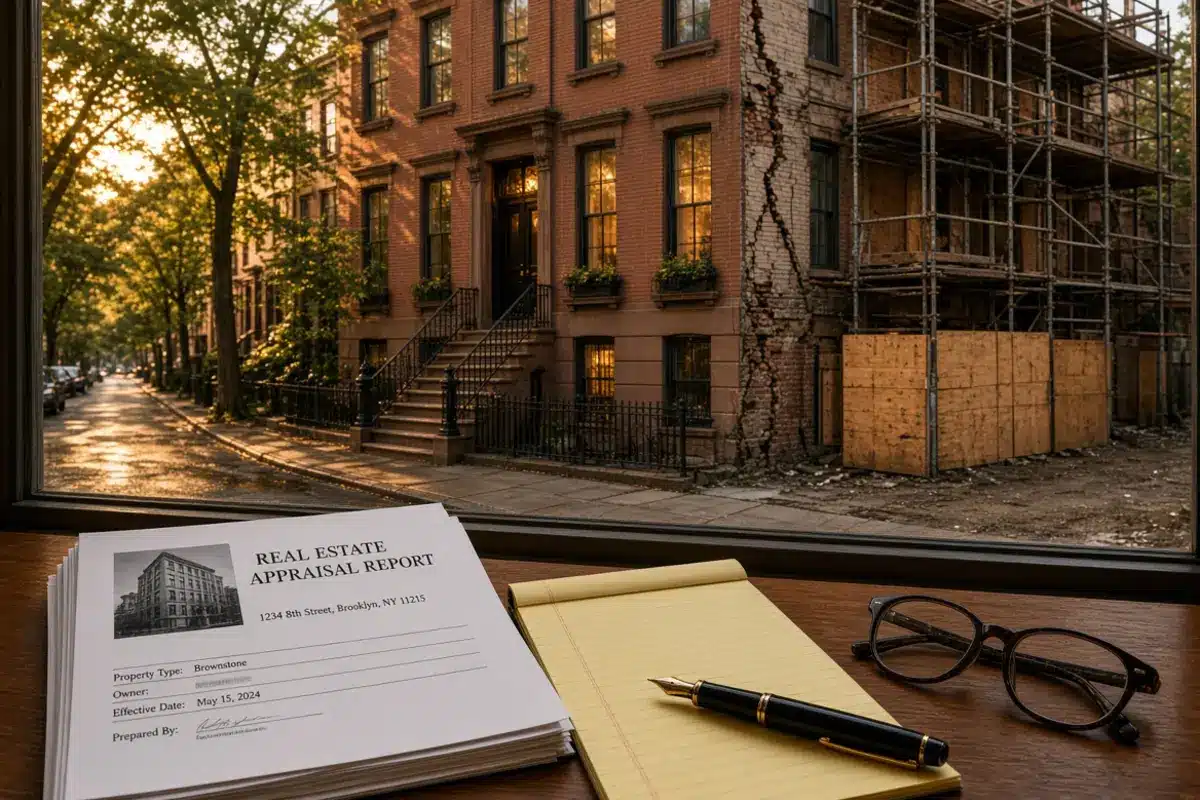

Property evaluators examine four primary categories when assessing your home: physical condition, improvements, location, and site characteristics. These comprehensive evaluations determine your property’s market value by analyzing structural components, system functionality, and comparable sales data. Understanding evaluation criteria helps you prepare effectively whether you’re buying, selling, or refinancing your property. Professional assessments protect lenders from overvaluation risks while ensuring buyers don’t pay more than fair market worth. Evaluators document bedroom and bathroom counts, square footage, major systems, exterior features, and recent upgrades during inspections. Location factors including neighborhood quality, market trends, and proximity to services significantly influence final valuations. Properties financed through certain government programs face stricter requirements covering safety, functionality, and compliance standards. Kitchen and bathroom updates typically deliver the strongest value returns compared to other renovation projects. Proper preparation including thorough cleaning, organized documentation, and minor repairs positions your property for optimal evaluation outcomes. When valuations fall short of expectations, providing evidence of factual errors offers your best reconsideration opportunity.
What’s Your Property Worth Today?
Property prices have climbed significantly over recent years, making current valuations more important than ever. Understanding your home’s present market value helps you make informed decisions about selling or refinancing. Professional evaluators follow a structured methodology to establish an accurate opinion of your property’s worth. They document their findings using standardized reporting forms that ensure consistency across the industry. These assessments examine multiple factors that collectively determine what buyers will pay in today’s market. Evaluators carefully review your property’s overall condition and how well it has been maintained. The geographic location plays a significant role in establishing baseline value for any residence. Property age influences valuation since newer constructions often command higher prices than older structures. Both the home’s square footage and lot size contribute substantially to the final assessed value. Exterior amenities like landscaping, outdoor living spaces, and recreational features add measurable worth to properties. The quality and condition of major structural components including roofing, foundation, and basement areas are thoroughly examined. Functional systems such as lighting, plumbing, and electrical work receive careful attention during evaluations. Bedroom and bathroom counts directly impact market appeal and overall property valuation in most areas. Interior design choices, finishes, and built-in features can enhance or diminish perceived value significantly. Evaluators look for potential problems like water damage, pest issues, or structural concerns that reduce worth. Recent upgrades and renovations typically boost property values when properly documented and professionally completed. Safety installations and modern security features provide additional value that licensed appraisers recognize in their assessments.

Key Factors in Property Evaluations
Professional evaluators examine multiple aspects of your property when determining its market value and potential. These assessments break down into four primary categories that comprehensively cover every important valuation factor. Physical condition forms the first major area where evaluators focus their attention during inspections. The second category involves improvements and upgrades that have been made to the property over time. Neighborhood characteristics and surrounding area quality make up the third essential evaluation component. Site-specific features and lot attributes complete the fourth category that influences your property’s assessed worth. Each category contains numerous elements that collectively paint a complete picture of your property’s true value.
Overall Property Condition
Standard evaluation reports thoroughly examine property features including construction materials and structural component conditions. Evaluators employ comparative analysis by reviewing similar properties that have recently sold in your area. Additional value gets assigned to features offering superior functionality when comparing properties side by side. This comparative method helps establish fair market value based on real transaction data from your neighborhood. During inspection appointments, evaluators assess your property’s physical state across four distinct areas for thoroughness. General property characteristics receive careful examination to establish baseline construction quality and material standards. Interior spaces undergo detailed review to identify condition levels, layout efficiency, and overall maintenance quality. Exterior elements are scrutinized to assess curb appeal, structural integrity, and weather protection capabilities. Foundation stability and attic conditions complete the evaluation by revealing important underlying structural health indicators.
Basic Property Features
These fundamental characteristics serve as primary identifiers that define your property’s basic structure and appeal. Evaluators document bedroom and bathroom counts as these directly impact market value and buyer interest. Garage availability and capacity influence valuations since covered parking remains a highly desirable feature for buyers. Property condition level gets assessed to determine if maintenance issues affect overall marketability and worth. Square footage measurements include all livable space above ground level across every room in the structure. Parking arrangements are examined including garage size, attachment style, and driveway surface material quality. Additional dwelling units may exist on some properties, affecting both value and zoning compliance considerations. Evaluators provide qualitative assessments determining if your property aligns with surrounding neighborhood standards and expectations.
Inside Your Home
Interior features encompass everything found within your property’s walls from aesthetics to functional systems. Heating and cooling systems receive evaluation for both type and current operational condition throughout the home. Flooring materials and their state of repair contribute to overall interior quality assessments by professionals. Wall surfaces and trim work are examined to gauge maintenance levels and finish quality standards. Built-in appliances like cooking ranges, refrigerators, and dishwashers add measurable value when present and functional. Energy-saving features including efficient certifications and modern water heating systems boost property valuations noticeably. These interior elements collectively determine comfort levels and long-term maintenance costs for potential buyers.
Exterior Property Elements
Outside features extend beyond mere appearance to include quality, durability, and safety considerations for evaluators. Exterior wall materials and their condition directly impact protection against weather and long-term maintenance requirements. Roofing type, materials, and overall state significantly influence property values due to replacement cost considerations involved. Window quality and features like screens or insulation affect energy efficiency and home comfort ratings. Neglected exterior components requiring immediate replacement will typically reduce your property’s assessed market value substantially.
Structural Foundation and Upper Spaces
Foundation integrity forms a critical safety concern that evaluators examine closely during every property assessment. Improper maintenance or needed repairs to foundation systems can dramatically lower your property’s overall valuation. Basement areas are reviewed to determine if they’re finished spaces contributing to total livable square footage. Attic conditions get evaluated similarly to assess whether they add functional living space to the property. Outdoor recreational features like pools and fireplaces provide additional amenities that enhance property appeal and worth. These structural elements reveal long-term stability and expansion potential that buyers value when making purchase decisions.
Upgrades and Renovations Matter
Property age influences valuations, but recent improvements can significantly offset the effects of older construction dates. Homes from earlier decades that received modern updates typically appraise higher than similar properties without renovations. Strategic upgrades demonstrate proper maintenance and alignment with current buyer preferences in today’s competitive market. However, not every renovation project delivers equal returns when evaluators assess your property’s final worth. Understanding which improvements add substantial value helps you invest wisely in your property before selling.
Kitchen and Bathroom Updates Deliver Maximum Value
Recent remodeling projects often result in notable value increases that justify the investment and effort involved. Updated kitchens and bathrooms significantly impact valuations since these spaces require substantial investment when outdated or damaged. Real estate professionals consistently recognize modernized kitchens and bathrooms as top features that attract serious buyers. Major system replacements like roofing or climate control equipment carry considerable weight during evaluations of properties. This becomes especially important for older homes where aging components may need replacement soon anyway. Documenting upgrade timelines and associated costs helps evaluators accurately assess the value these improvements contribute. Providing detailed records about recent installations including dates and investment amounts strengthens your valuation position considerably. New climate control systems and roofing projects represent significant investments that evaluators recognize when determining property worth.
Some Amenities Provide Limited Value Returns
Swimming pools add some market value but depreciation occurs due to ongoing maintenance requirements and costs. High-end pool installations don’t necessarily translate to proportionally higher valuations compared to standard pool features. What matters most to buyers is having a functional amenity rather than the original construction cost. Resale values for luxury amenities rarely match the initial investment amounts spent on premium installations. Exterior additions like porches and patios sometimes contribute minimal extra value depending on local market preferences. Regional differences and neighborhood standards heavily influence whether these features significantly boost your property’s assessed worth.
Your Property’s Location Impact
Location factors exert tremendous influence over property values regardless of the home’s physical condition or features. Evaluators analyze objective location data that could potentially affect both market value and buyer appeal significantly. Urban, suburban, or rural classifications help determine baseline expectations for properties in different area types. Growth patterns and development density within the surrounding area contribute to long-term value projections and stability. Neighborhood desirability stems from proximity to employment centers, essential services, and convenient public transportation options. Current market conditions including price trends and buyer demand levels shape immediate valuation assessments for properties. Recent sales activity and average marketing times reveal how quickly properties move in your specific area. These location elements combine to create a comprehensive picture of your property’s market position and appeal.
Your Lot and Surrounding Area
Evaluators carefully examine lot dimensions, shape, and terrain features when assessing your property’s site characteristics. On-site amenities including utility connections and vehicle access points receive thorough documentation during evaluation processes. Comparative analysis occurs by reviewing how your lot features align with neighboring properties and area standards. Shared features common throughout your neighborhood typically don’t negatively impact valuations when universally present locally. Zoning classifications must match the property’s current use to ensure legal compliance and full marketability. Environmental hazards or special concerns get documented if they potentially affect property value or buyer interest. Flood zone designations impact both insurance requirements and overall property marketability in affected areas significantly. Off-site infrastructure like streets, lighting, sidewalks, and drainage systems contribute to overall neighborhood quality assessments. Any adverse conditions related to your site that might reduce marketability receive careful evaluation and documentation. These site-specific factors help evaluators understand your property’s unique position within the broader neighborhood context.
Government-Backed Loan Requirements
Certain government-backed financing programs require evaluators to meet additional standards beyond conventional loan assessment criteria. These specialized loan programs mandate stricter property evaluation guidelines to protect both borrowers and lending institutions. Evaluators working with these programs must verify health and safety compliance in addition to determining market value. Properties financed through these programs face more rigorous inspection standards compared to traditional conventional financing options. Multiple specific requirements must be satisfied before closing can proceed on properties using this financing type. Included appliances must function properly and remain operational at the time of property transfer completion. Attic spaces require proper insulation without leaks or damage while maintaining adequate ventilation throughout the area. Crawl spaces must stay dry with no signs of moisture intrusion or pooling water present. Proper grading and drainage around the structure prevent water-related foundation problems and ensure long-term stability. Electrical systems need sufficient capacity for the property type and must operate safely without hazards. Foundation integrity remains essential with no significant cracks, settling, or structural concerns visible during inspection. Climate control systems including heating and cooling equipment must work correctly to maintain comfortable living conditions. Peeling or chipped paint requires attention especially in older properties where hazardous materials may be present. Plumbing systems throughout the property must function without leaks, blockages, or pressure problems affecting daily use. Roofing materials must have adequate remaining lifespan to protect the property from weather damage effectively. Pest infestation evidence particularly from wood-destroying insects must be absent to satisfy program requirements completely. When properties fail to meet these standards, necessary repairs must be completed before the transaction can close. Evaluators must return for reinspection and verify all required corrections have been properly addressed and completed. Similar processes apply across different government-backed loan programs with overlapping requirements and inspection procedures throughout. Whether you need a Manhattan real estate appraiser or commercial appraisals in Brooklyn, working with qualified professionals ensures compliance with all government-backed financing requirements.

Refinancing Evaluations Follow Standard Procedures
Refinancing assessments follow identical evaluation processes as those conducted for property purchases from evaluators’ perspectives. Property features undergo the same thorough review using standardized forms regardless of transaction type or purpose. Lenders initiate the appraisal process when you apply for refinancing to establish current property values accurately. Some refinancing situations may only require limited assessments rather than comprehensive full property evaluations throughout. Alternative evaluation methods include hybrid approaches where licensed professionals conduct interior inspections on the lender’s behalf. Drive-by assessments examine only exterior features when lenders determine full interior inspections aren’t necessary for approval. Your specific lender’s internal guidelines ultimately determine which appraisal type gets ordered for your refinancing transaction. Different financial institutions maintain varying requirements based on their risk assessment policies and loan program specifications.
Permanent Features Matter Most
Decorative elements and moveable items don’t significantly influence professional property valuations despite their visual appeal to buyers. General aesthetic choices receive minimal consideration when evaluators calculate your property’s actual market worth and value. Permanent fixtures attached to the structure count toward assessed value while portable items do not contribute. Moveable appliances and equipment fail to add measurable value because buyers can easily remove them after purchase. Portable structures like storage sheds or recreational equipment don’t increase appraisal values even when included in sales. These items might enhance property marketability by making the sale more attractive to potential buyers overall. Personal property sold alongside the home requires disclosure to evaluators so they can properly categorize inclusions. Understanding this distinction helps you set realistic expectations about which improvements actually boost your property’s assessed value.

Preparing Your Property for Evaluation Success
Understanding evaluation criteria empowers you to properly prepare your property and maximize your chances of favorable results. Begin preparation by thoroughly tidying every room to present your property in its absolute best condition. Professional evaluators can look past disorder, but presenting a clean space creates positive first impressions. Treat this preparation like you would when showing your property to serious prospective buyers for sale. Deep cleaning demonstrates pride of ownership and suggests proper maintenance throughout the property’s lifecycle. Organize all relevant documentation including recent tax bills and any association fees or covenant information beforehand. Create a comprehensive list detailing major improvements with installation dates and associated costs for evaluator reference. Keeping receipts and invoices accessible helps evaluators accurately assess upgrade values that aren’t visually obvious to observers. High-end improvements often look similar to standard installations without proper documentation proving their premium quality and cost. Ensure complete property access by removing boxes, furniture, or other obstacles blocking doorways and storage areas. Don’t overlook less frequented spaces like crawl areas and attics as evaluators need to inspect these zones. Address minor cosmetic issues like paint chips on trim or squeaky door hinges before the scheduled appointment. These small repairs demonstrate attention to detail and ongoing property care that evaluators recognize during assessments. Taking these preparatory steps positions your property favorably and helps evaluators accurately recognize all value-adding features present.
Handling Lower Than Expected Valuations
Disappointing evaluation results can be challenged by providing additional supporting data to contest the findings effectively. Successfully increasing valuations after initial low assessments remains uncommon, but disputing errors is still worth pursuing. You can submit supplementary information that challenges the report when you believe mistakes occurred during evaluation. Professional evaluators typically communicate report details exclusively with the client who commissioned the assessment work originally. Since lenders usually serve as the evaluator’s client, you must contact them directly to initiate reconsideration requests. Your lender can formally request the evaluator reexamine their findings when you provide compelling reasons for review. Significant factual errors in property data represent your strongest grounds for successfully obtaining valuation adjustments upward. Material mistakes like incorrect bedroom counts or missing square footage can substantially impact final assessed values. Missing key property features during initial inspection represents a legitimate reason for evaluators to reconsider their conclusions. Major rooms or functional spaces that were overlooked can add considerable value when properly documented and verified. Substantial bedroom additions or other significant features dramatically affect market value when accurately recorded in evaluation reports. Providing clear evidence of factual errors gives you the best chance of achieving a favorable reconsideration outcome.
Conclusion
Understanding what evaluators examine during property assessments gives you significant advantages in any real estate transaction. Knowledge of these evaluation criteria allows you to prepare effectively and address potential concerns before they impact your property’s assessed value. Armed with this information, you can make strategic improvements that deliver the highest returns when selling or refinancing your home. Working with qualified appraisers who follow industry standards ensures accurate valuations based on current market conditions. Taking proactive steps to maintain your property and document upgrades positions you for successful evaluation outcomes every time. Whether you need NYC real estate appraisals, Manhattan appraisals, commercial property assessments, or market rent studies, knowing these assessment factors helps you navigate the process with confidence. For properties in areas like Central Park, Riverside Park, Inwood Hill Park, or Battery Park, location-specific expertise becomes essential. Access property records and verify building information to support your evaluation. Professional organizations like the Appraisal Institute and American Society of Appraisers maintain certification standards that ensure quality service. Use this comprehensive guide to ensure your property showcases its true market worth during professional evaluations, and contact experienced professionals to learn more about appraisal services from Block Appraisals for expert assistance with your property valuation needs.
FAQs
How long does a typical home appraisal take to complete?
Most property appraisals take between 30 minutes to several hours depending on size and complexity. Expect your final report within three to seven business days afterward.
Can homeowners be present during the appraisal inspection?
You can absolutely be present during your appraisal. Many homeowners choose to accompany appraisers to answer questions and highlight valuable improvements they’ve made recently.
How long does an appraisal remain valid for lending purposes?
Appraisals typically stay valid for 90 to 120 days for most lending transactions. Market changes or property modifications may require fresh evaluations beyond this timeframe.
What’s the difference between a home appraisal and a home inspection?
Appraisals determine market value for lending purposes, while inspections identify potential problems and needed repairs. Both serve completely different purposes in real estate transactions.
Can you order a second appraisal if you disagree with the first?
Yes, you can request a second appraisal, though you’ll pay additional fees. Alternatively, challenge the original through your lender by providing supporting comparable sales data.
[hfcm id=”143″]