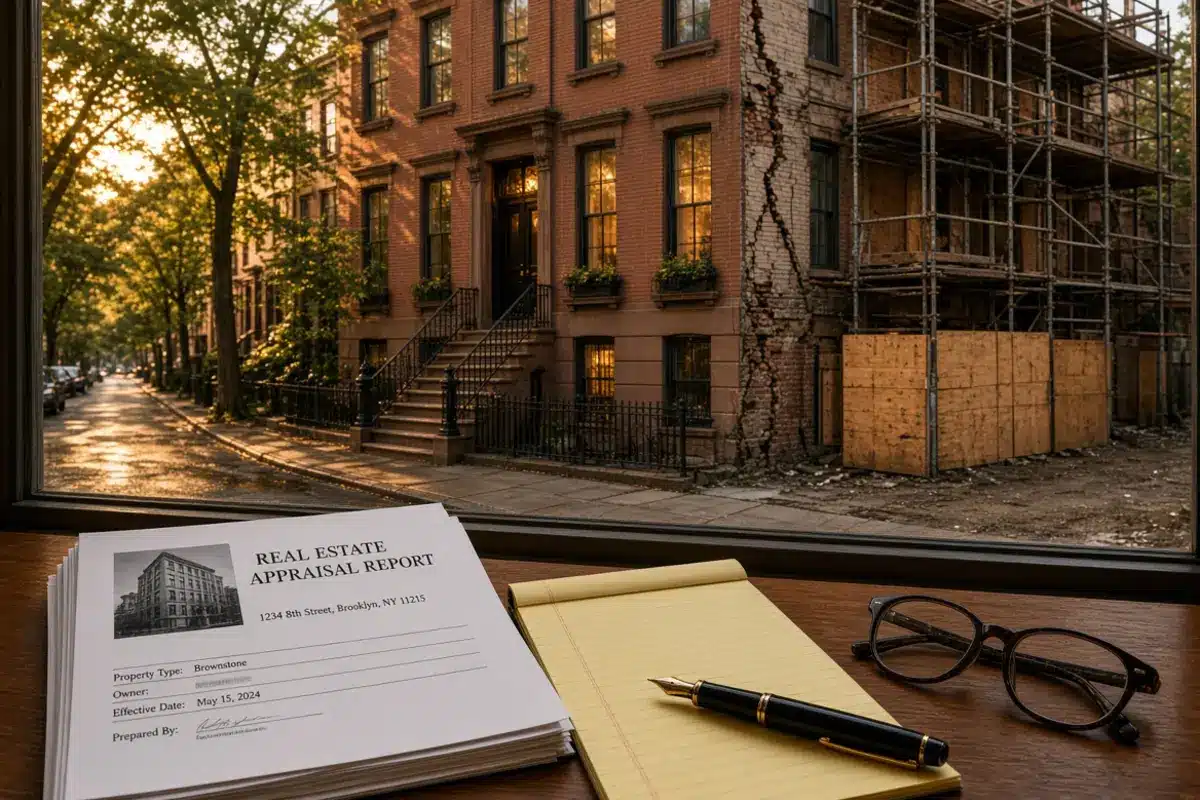

Home appraisals aren’t just for buying and selling property in New York. A home appraisal is an independent professional assessment that determines your property’s current market value. Licensed appraisers evaluate homes based on comparable neighborhood sales, recent market activity, and property conditions. You need a home appraisal for refinancing mortgages, obtaining home equity loans, securing business loans with property collateral, challenging unfair property tax assessments, and setting accurate pre-listing prices before selling. These five situations require professional appraisals to protect your financial interests and maximize property value.
New York homeowners can save thousands of dollars by understanding when appraisals become necessary beyond traditional real estate transactions. Block Appraisals provides reliable valuation services throughout New York for refinancing, loan applications, tax appeals, and pre-listing assessments. Banks require appraisals because they refuse loans when appraised values fall below requested amounts. This protects both lenders and borrowers from overpaying for properties in any market condition. According to New York’s Division of Licensing Services, only licensed professionals can perform official property valuations. Getting a home appraisal at the right time opens doors to better loan terms, lower property taxes, faster home sales, and increased borrowing power against your equity.

Beyond Home Sales: Critical Appraisal Situations
Most people associate home appraisals exclusively with buying or selling real estate transactions. However, professional property valuations serve numerous important purposes throughout your homeownership journey. New York homeowners can benefit significantly from understanding when appraisals become necessary or advantageous. A home appraisal provides an objective assessment of your property’s current market value. Licensed professionals evaluate your home based on comparable sales, market trends, and property conditions. This independent valuation protects your financial interests in various situations beyond traditional sales.
Knowing when to order a home appraisal can save you thousands of dollars. Strategic appraisals help you make informed decisions about refinancing, borrowing, and tax challenges. They provide documented evidence that banks, tax authorities, and courts recognize as credible. NYC real estate appraisals serve homeowners with reliable valuations for diverse financial needs. Understanding these critical appraisal situations empowers you to maximize your property’s value. The following scenarios demonstrate when professional appraisals become essential tools for protecting your investment. Each situation requires accurate property valuation to achieve the best possible financial outcome.
Getting Ready to Sell Your Property
Homeowners planning to list their property should consider a pre-listing home appraisal first. This professional evaluation provides a clear understanding of your home’s current market value. A pre-listing appraisal offers several strategic advantages for New York sellers. Knowing the accurate value helps you set a realistic and competitive asking price.
Key benefits include:
- Establishes a data-driven listing price based on current market conditions
- Attracts serious buyers who recognize fair and competitive pricing
- Reduces time your property sits on the market unsold
- Minimizes price reductions that can signal desperation to potential buyers
- Provides negotiating power when buyers question your asking price
New York’s real estate market moves quickly, making accurate pricing essential for success. A well-priced home typically sells much faster than overpriced or underpriced properties. According to the National Association of Realtors, proper pricing strategies significantly impact days on market. This strategic approach minimizes time on the market and maximizes your return. Professional appraisals give you confidence when entering New York’s competitive real estate landscape. Starting with accurate valuation sets the foundation for a successful sale.
Refinancing Your Property
Refinancing means replacing your existing mortgage with a completely new loan agreement. Your home’s value likely changed since you originally purchased the property years ago. Property values fluctuate based on market conditions, renovations, and neighborhood developments. Lenders require a current home appraisal to justify the new mortgage amount.
Essential refinancing considerations include:
- Lenders must verify current property value supports the new loan amount
- Increased home values may qualify you for cash-out refinancing options
- Decreased values can make securing favorable loan terms more challenging
- Your equity position determines available refinancing programs and rates
- Accurate appraisals prevent loan denials and wasted application fees
The appraisal confirms whether your property value supports the requested loan terms. If your New York home increased in value, you might qualify for cash-out refinancing. This option lets you access equity for home improvements or debt consolidation. A qualified mortgage appraiser in NYC provides accurate valuations that lenders trust for refinancing decisions. The American Society of Appraisers sets professional standards for valuation practices nationwide. This assessment determines your available options and potential savings on monthly payments. Understanding your current property value helps you make informed refinancing choices.
Obtaining a Home Equity Loan
Home equity loans differ from refinancing because they add a second loan entirely. Your existing mortgage remains in place while you borrow against your available equity. Understanding how lenders calculate loan amounts is crucial for New York homeowners. The loan amount depends on your current equity after subtracting the remaining mortgage.
Important equity loan factors include:
- Lenders require home appraisals to calculate your current available equity accurately
- Your borrowing limit depends on property value minus outstanding mortgage balance
- Most lenders allow borrowing up to 80 or 85 percent of equity
- Decreased property values may disqualify you from accessing equity loans entirely
- Strong appraisals unlock funding for renovations, education, and debt consolidation
New York homeowners use equity loans for renovations, education, and debt consolidation purposes. Lenders calculate this by getting a home appraisal of your property’s present value. A residential appraiser determines your available equity for borrowing purposes with precision and expertise. Understanding your equity position helps you plan major financial decisions confidently and strategically. Professional appraisals ensure you maximize your borrowing potential while meeting lender requirements.
Securing Other Types of Loans
Various loan types may require you to use your home as collateral. Cash loans and business loans often need property backing for approval from lenders. Using your home as collateral can unlock significant funding opportunities otherwise unavailable. Banks want assurance that your home’s current value supports the loan amount requested.
Critical collateral loan requirements include:
- Home appraisals verify your property provides adequate security for the lender
- Cash loans often require collateral when borrowing large amounts without income verification
- Business loans may need home backing when the business lacks sufficient assets
- The appraisal protects both you and the lender from overextending credit limits
- Accurate valuations prevent loan denials and help negotiate better terms
New York entrepreneurs frequently leverage home equity to fund business ventures and expansion. A home appraisal verifies your property provides adequate security for the lender’s investment. For commercial properties, working with a commercial appraiser in NYC ensures comprehensive valuations for diverse lending situations. The IRS also requires qualified appraisals for certain tax deductions related to property. This documentation opens doors to funding opportunities you might otherwise miss completely. Professional appraisals demonstrate your creditworthiness and unlock capital for important personal and business goals.
Challenging Property Tax Assessments
Property taxes in many states are calculated based on your home’s fair market value. Your tax bill might reflect an inflated value compared to actual market conditions. Understanding assessment appeals can save New York homeowners thousands of dollars annually. Declining housing prices in your New York neighborhood could mean you’re overpaying taxes significantly.
Key appeal considerations include:
- You have the right to appeal assessments that appear unreasonably high
- Independent home appraisals provide professional evidence supporting your appeal claim
- Successful appeals reduce your annual property tax burden for years
- Appeal deadlines vary by locality, so act quickly after receiving assessments
- Professional appraisals carry more weight than online estimates or opinions
An independent home appraisal strengthens your appeal by providing professional evidence tax boards respect. Successfully challenging your assessment reduces your annual property tax burden significantly over time. The NYC Department of Finance provides guidelines for property tax appeals and assessment challenges. Legal resources from the New York City Bar Association can help you understand your appeal rights. Check your local regulations about submitting independent appraisals for assessment challenges before proceeding. The appeal process varies across New York localities and requires proper documentation and timing.

How Home Appraisals Actually Work
Understanding the home appraisal process helps New York homeowners prepare effectively for valuations. Many property owners feel uncertain about what appraisers examine during their evaluations. Knowing the process removes mystery and allows you to present your home optimally. Professional appraisers follow standardized methods to ensure consistent and accurate property valuations. The appraisal process combines objective data analysis with professional judgment about property conditions. Experienced appraisers follow industry best practices to deliver reliable valuations throughout New York. Learning how appraisers work empowers you to participate actively in the process. This knowledge helps you understand your final appraisal report and valuation results. The following sections break down each critical phase of the professional appraisal process.
The Property Inspection Process Explained
The physical inspection represents the foundation of every professional home appraisal in New York. Appraisers typically spend one to two hours examining your property inside and out. They measure the home’s square footage, room dimensions, and overall layout systematically. The appraiser documents the number of bedrooms, bathrooms, and any special features present.
Key inspection elements include:
- Exterior condition assessment including roof, siding, windows, and foundation integrity
- Interior evaluation of flooring, walls, ceilings, and overall maintenance quality
- Mechanical systems inspection covering heating, cooling, plumbing, and electrical functionality
- Property upgrades such as kitchen renovations, bathroom remodels, or finished basements
- Lot characteristics including size, landscaping, drainage, and any easements or encroachments
Appraisers photograph your property extensively to document current conditions for their report. They note both positive features that add value and any issues requiring repairs. The inspection also identifies health and safety concerns that might affect property value. According to the Appraisal Institute, thorough inspections capture every detail affecting your home’s worth. Understanding replacement cost factors also helps appraisers determine accurate valuations. Appraisers remain objective throughout the process, focusing solely on factual observations. Professional inspections ensure no important value factors get overlooked in the final assessment.
How Appraisers Determine Comparable Sales
Comparable sales, often called comps, form the backbone of residential property valuation methodology. Appraisers search for recently sold homes that closely match your property’s characteristics. The best comparables share similar size, age, condition, and location within your neighborhood. New York appraisers typically analyze three to six comparable sales for each appraisal report.
Critical comparable selection criteria include:
- Sales must have closed within the past three to six months maximum
- Properties should be located within one mile of your home ideally
- Square footage should match within 10 to 20 percent of your property
- Bedroom and bathroom counts should align closely with your home’s configuration
- Architectural style and construction quality must be reasonably similar
Appraisers make mathematical adjustments for differences between your home and the comparable properties. Features your home has that comparables lack add value to your appraisal. Features comparables have that your home lacks subtract value from the final assessment. Data from PropertyShark and other market sources help identify the most accurate comparable sales. For rental properties, a market rent study provides additional valuation context. The adjustment process requires expertise in local New York real estate market conditions. Final valuation reflects your home’s position relative to recent actual sales prices. This methodology ensures appraisals reflect true market value based on buyer behavior.
What Factors Impact Your Home’s Appraised Value
Multiple variables influence how appraisers determine your property’s final market value in New York. Understanding these factors helps you anticipate your appraisal results more accurately. Some elements you can control, while others depend entirely on external market forces. Location remains the single most influential factor affecting residential property values consistently.
Major value factors include:
- Neighborhood desirability based on schools, amenities, crime rates, and development trends
- Property condition ranging from move-in ready to needing significant repairs or updates
- Square footage and functional layout that meets modern buyer preferences and needs
- Recent upgrades including kitchen renovations, bathroom remodels, or energy-efficient improvements
- Market conditions such as inventory levels, interest rates, and buyer demand intensity
Economic factors like employment rates and population growth affect New York property values. Negative features such as busy roads, power lines, or commercial proximity reduce values. Positive features like water views, privacy, or premium lots increase appraised values. Research from the NYU Furman Center shows how neighborhood characteristics influence property valuations. The NYC Department of Buildings maintains records that appraisers reference for construction permits and violations. Appraisers weigh each element based on how much buyers actually pay for features. Understanding these factors helps you make strategic improvements that maximize your property value. Professional appraisals account for both tangible property features and intangible market dynamics simultaneously.
Conclusion
Professional home appraisals provide New York homeowners with powerful tools for making informed financial decisions. Whether you’re refinancing, securing loans, challenging tax assessments, or preparing to sell, accurate valuations protect your interests. Understanding when and why to order appraisals helps you maximize your property’s value strategically. The appraisal process combines detailed inspections, market analysis, and professional expertise to deliver reliable results. For estate planning purposes, an estate appraiser in NYC brings decades of experience serving property owners across diverse valuation needs. Don’t wait until problems arise to consider getting your home professionally appraised.
Take action today by scheduling a professional home appraisal for your New York property. Accurate valuations open doors to better loan terms, lower taxes, and stronger negotiating positions. Whether you need divorce appraisal services or litigation support, comprehensive services are available. For undeveloped properties, a vacant land appraiser can provide specialized valuations. Contact our team to discuss how professional valuations can benefit your homeownership journey. Protect your investment and unlock your property’s full potential with expert appraisal services. Explore bespoke appraisal solutions tailored to your unique situation.
FAQs
How long does a typical home appraisal take to complete in New York?
Most home appraisals require one to two hours for the physical property inspection. The complete appraisal report is usually delivered within three to seven business days afterward.
Can I be present during the home appraisal inspection?
Yes, homeowners can be present and answer questions about property features and upgrades. However, appraisers must conduct their evaluations independently without influence from owners or interested parties.
What factors determine the cost of a professional home appraisal?
Appraisal fees depend on property size, location, complexity, and turnaround time requirements. Larger properties or rush orders typically require higher fees due to additional work involved.
What happens if I disagree with my home appraisal results?
You can request a reconsideration by providing additional comparable sales or documentation of property features. Alternatively, you may order a second independent appraisal from a different licensed professional.
Do home improvements always increase my property’s appraised value?
Not all improvements add significant value to your home’s appraisal in New York. Kitchen and bathroom renovations typically provide the best return, while personal preferences may not.
[hfcm id=”135″]