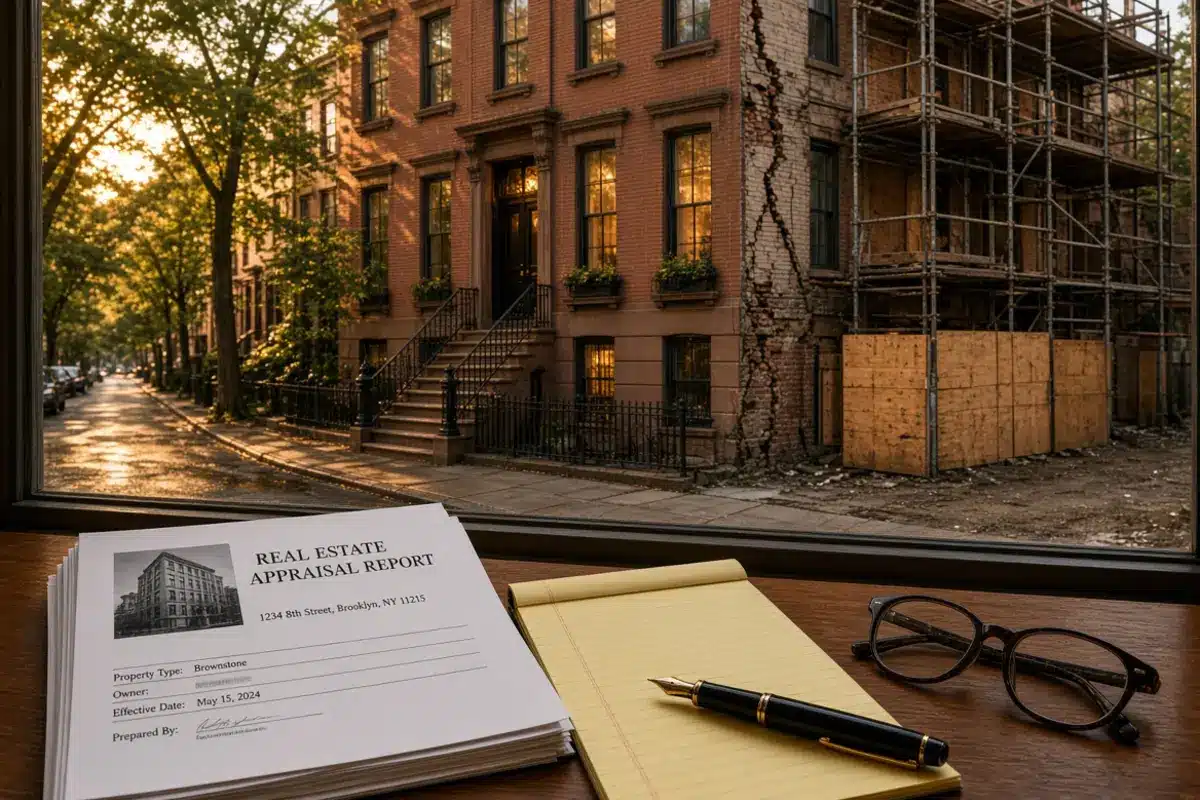

Yes, appraisers look in every room during a property evaluation. Professional appraisers conduct comprehensive room-by-room inspections, photographing all interior spaces, exterior areas, and structural components to ensure accurate property valuations. This complete documentation process typically takes 30-60 minutes and covers living spaces, bedrooms, kitchens, bathrooms, garage areas, and outdoor sections. Appraisers examine visible conditions in each room, including walls, floors, ceilings, windows, and doors, but they do not open cabinets or storage spaces unless obvious issues are present. If any rooms cannot be accessed during the scheduled visit, a follow-up appointment is generally required to complete the assessment, though non-loan appraisals may allow documented assumptions about inaccessible areas with property owner consent.
Key Takeaways:
- Complete Access Required – Appraisers need to photograph and inspect every room in your home for accurate valuations
- 30-60 Minute Process – Standard property appraisals take between 30 to 60 minutes, depending on home size
- Visual Documentation Only – Appraisers assess observable conditions but don’t open cabinets or drawers during standard inspections
- Room Count Verification – Bedroom and bathroom counts are confirmed through direct inspection, as they directly impact property value
- Follow-Up Visits – Inaccessible rooms typically require return appointments to complete the evaluation properly
- Quality Assessment Focus – Appraisers evaluate construction quality, upgrades, maintenance levels, and material standards throughout all spaces

How Appraisers Document Every Space
Professional appraisers capture photos of every room during their property evaluation. This includes interior spaces, garage areas, and all exterior sections of your home. They follow a systematic approach to record the property’s current state accurately. Appraisers measure each space carefully and document key details about construction standards. They assess the quality of materials used throughout the property, which factors into replacement cost analysis. This thorough documentation ensures an accurate valuation based on observable facts. The inspection process typically takes between 30 to 60 minutes, depending on property size.
Key Areas Appraisers Photograph
During a home appraisal, licensed real estate appraisers take comprehensive photographs to document the property’s condition and features. These images serve as visual evidence to support the final valuation and provide a complete record for lenders and buyers. The following areas are standard focus points during the photographic inspection:
- Interior living spaces and bedrooms
- Kitchen and bathroom facilities
- Garage and storage areas
- Exterior walls and landscaping
- Roof condition and structural elements
What Appraisers Look for During Room Inspections
Appraisers examine every room for potential issues that affect property value. They check walls, floors, and ceilings for visible damage or wear. Windows and doors receive careful attention to verify proper function and condition, including compliance with NYC building codes. Any signs of water damage or structural concerns are noted in their report. Appraisers also observe electrical outlets and plumbing fixtures that are visible. They assess the overall maintenance level and quality of repairs completed. However, appraisers do not open cabinets or storage spaces during standard inspections. They only investigate these areas if obvious problems exist, like broken hardware or moisture stains. Their goal is to evaluate observable conditions that impact market value. This professional assessment helps protect both buyers and lenders in real estate transactions.

Understanding the Importance of Complete Room Documentation
Professional appraisers need photographs of every room to ensure accurate property evaluations. These images provide crucial visual evidence of construction quality throughout the entire home. Certified appraisers can identify inconsistencies in workmanship by reviewing comprehensive photo documentation. For instance, professionally finished spaces often differ from DIY renovations in quality and craftsmanship. This level of detail helps appraisers make informed decisions about property value and condition. Room-by-room photography serves multiple essential purposes for accurate property assessment. Appraisers use these images to calculate precise square footage measurements for valuation purposes. The photos help verify the actual number of bedrooms and bathrooms in the property. These room counts directly impact the final appraised value of any home, whether for residential properties or commercial real estate. Complete visual documentation protects both buyers and lenders from potential discrepancies. Appraisers rely on this thorough approach to maintain professional standards and accuracy. The systematic review process ensures every space receives proper evaluation and consideration.
Key Reasons Appraisers Require Full Home Photography
Construction Quality Verification:
- Appraisers compare building standards across different areas of the home
- Visual records reveal any variations in construction methods and materials used
- Professional appraisers can spot quality differences between original and renovated spaces
Accurate Measurement Documentation:
- Complete room photos enable appraisers to verify square footage calculations precisely
- Images provide permanent records for future reference and comparison purposes
- Appraisers use visual documentation to support their measurement findings
Property Feature Confirmation:
- Room counts must be verified to ensure accurate property descriptions
- Appraisers confirm that the number of bedrooms meets standard classification requirements
- Bathroom counts are validated through comprehensive photographic evidence

When Property Areas Cannot Be Accessed
Appraisers may encounter rooms or spaces that cannot be entered during their scheduled visit. When this happens, a follow-up appointment is typically required to complete the assessment. This ensures the evaluation remains thorough and accurate. Professional appraisers prioritize complete property access to deliver reliable valuation reports, whether conducting mortgage appraisals or divorce appraisals. Without full access, the final assessment may be delayed or incomplete.
Alternative Assessment Methods for Private Evaluations
Some property evaluations do not require financing approval and offer more flexibility. In these cases, estate appraisers may use what professionals call an extraordinary assumption. This method allows them to estimate the condition of inaccessible areas. The assumption bases its judgment on the visible condition of similar rooms. Property owners must provide written consent before this approach can be applied. This option helps move the process forward when scheduling conflicts arise.
Standard Duration and What Appraisers Examine
Most property evaluations require between 30 and 45 minutes to complete properly. During this time, appraisers document each interior space with photographs. They carefully assess the overall condition of the property throughout the visit, referencing NYC property data and comparable sales. Key factors include any upgrades, special features, and general maintenance levels. Appraisers note both positive attributes and areas needing attention, similar to market rent studies that evaluate property conditions. This comprehensive approach ensures the final report reflects true property value. The documentation gathered becomes essential for accurate market analysis, whether for vacant land or developed properties.
Key Points About the Appraisal Process:
- Appraisers need access to all rooms for complete assessments
- Return visits may be necessary if areas are inaccessible
- Non-loan appraisals may allow documented assumptions about blocked spaces
- Standard inspections require 30 to 45 minutes to finish
- Comprehensive photos are taken of every interior space
- Appraisers evaluate condition, upgrades, and special features thoroughly
Conclusion
Professional appraisers conduct thorough room-by-room inspections to ensure accurate property valuations. Complete access to every space in your home allows appraisers to verify square footage, document construction quality, and confirm room counts that directly impact your property’s market value. The 30-60 minute inspection process includes comprehensive photography of all interior and exterior areas, though appraisers maintain boundaries by not opening cabinets or drawers during standard evaluations. If certain rooms cannot be accessed during the scheduled visit, follow-up appointments are typically necessary for loan-related appraisals, while litigation appraisals or pre-listing appraisals may proceed with documented assumptions and owner consent. Understanding this comprehensive assessment process helps property owners prepare appropriately for their appraisal appointments. For specialized appraisal services or questions about the process, property owners can learn more about professional appraisers and their qualifications. By ensuring full access to all rooms and maintaining your home in a presentable condition, you facilitate a smoother evaluation that accurately reflects your property’s true market value and conditions. To schedule an appraisal or discuss your specific needs, contact qualified appraisers who can provide expert guidance aligned with the National Association of Realtors standards.
FAQs
Do appraisers need to see inside closets and storage areas?
Appraisers do not routinely open closets or cabinets during standard inspections. They only investigate storage spaces if visible problems exist, such as moisture stains, broken hardware, or obvious structural concerns that require closer examination.
What happens if I can’t provide access to a locked room?
For loan-related appraisals, inaccessible rooms typically require a follow-up appointment to complete the evaluation. Non-financing appraisals may allow appraisers to make documented assumptions about the space with your written consent.
How long should I expect the appraiser to be in my home?
Standard property appraisals take between 30 to 60 minutes, depending on your home’s size and complexity. Larger properties with multiple rooms and features naturally require more time for complete documentation.
Will the appraiser move my furniture or belongings?
No, appraisers will not move furniture or personal belongings during their inspection. They assess observable conditions and photograph spaces as they find them, working around existing furniture arrangements.
Can I follow the appraiser during the inspection?
While you can remain home during the appraisal, most appraisers prefer to work independently to maintain objectivity and efficiency. You should be available to answer questions and provide property access as needed.
[hfcm id=”136″]